Southern Saskatchewan Braces for High Winds and Blowing Snow, Reducing Visibility
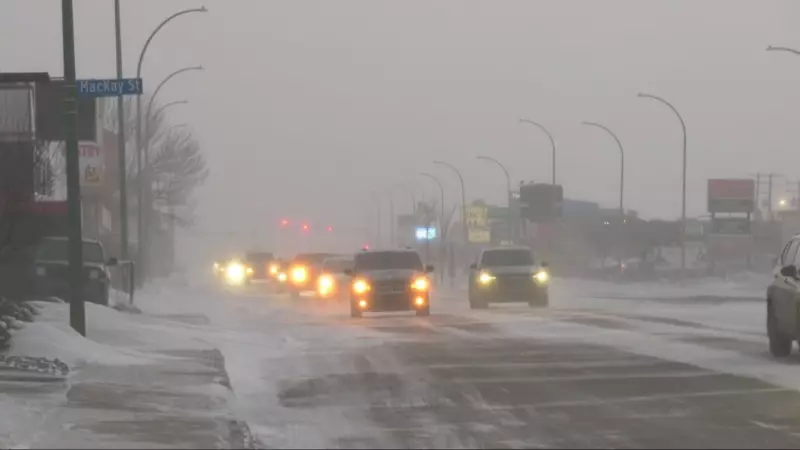
Residents across much of southern Saskatchewan are being advised to prepare for challenging weather conditions as forecasts predict high winds and blowing snow. The combination of strong gusts and ongoing flurries is expected to significantly reduce visibility, creating potentially hazardous travel situations.
Meteorological reports indicate that the blowing snow phenomenon occurs when winds lift fallen or falling snow, creating whiteout conditions that can make driving particularly dangerous. Authorities are urging motorists to exercise extreme caution and consider postponing non-essential travel until conditions improve.
Weather Advisory Details and Safety Recommendations
The weather system affecting southern Saskatchewan represents a typical winter challenge for the region, though its intensity warrants special attention. Environment Canada typically issues such warnings when visibility is expected to drop below 400 meters due to blowing snow.

Local emergency services recommend that residents:
- Monitor weather updates regularly through official channels
- Prepare emergency kits for vehicles with blankets, food, and water
- Avoid unnecessary travel during peak wind periods
- Ensure proper winter tires are installed on vehicles
- Keep pets indoors during extreme weather events
Broader National News Context
While Saskatchewan contends with weather challenges, other regions across Canada are facing diverse issues. Health Canada has issued a recall for organic chia seeds sold in several provinces due to potential salmonella contamination, emphasizing the importance of food safety protocols.
In the political sphere, Saskatchewan's NDP has raised concerns about government proposals affecting health care workers, though specific details remain under discussion. Meanwhile, federal regulations addressing "drip pricing" practices are impacting hospitality businesses in Saskatoon, highlighting ongoing economic adjustments.
Environmental and Infrastructure Considerations
The blowing snow event in Saskatchewan coincides with broader environmental discussions nationally. Canadian federal scientists note that 2026 is expected to rival some of the hottest years ever recorded globally, underscoring ongoing climate patterns that may influence winter weather variability.
Infrastructure challenges related to winter conditions are also evident elsewhere, with Montreal's REM transit system reportedly experiencing multiple outages and Winnipeg residents facing snow clearance responsibilities in back lanes. These parallel stories illustrate how winter weather management remains a persistent concern across Canadian municipalities.
As southern Saskatchewan residents navigate the current weather system, the situation serves as a reminder of Canada's diverse regional challenges during winter months, from weather hazards to infrastructure maintenance and public safety protocols.