Hawaii is experiencing its worst flooding in 20 years, which has left local farmers struggling and resulted in fewer vegetables available at markets across the islands. The extreme weather event has caused extensive damage to crops and infrastructure, particularly on the island of Oahu.
Impact on Local Agriculture
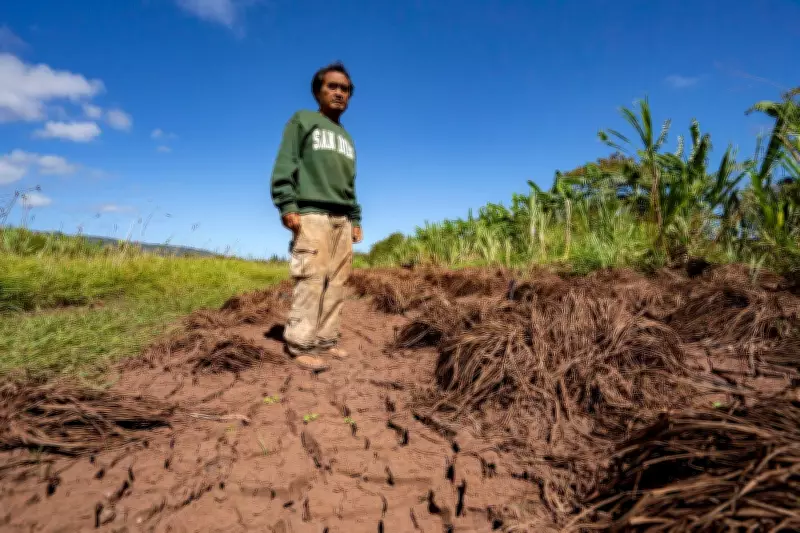
Bok Kongphan, a farmer in Waialua, Hawaii, poses for a photo at his farm on Monday, May 4, 2026, illustrating the devastation. The floods have submerged fields, washed away topsoil, and destroyed irrigation systems. Many farmers are facing significant losses, with some reporting that up to 80% of their crops have been ruined.
“This is the worst I’ve seen in two decades,” said Kongphan. “We’ve lost everything. It will take months to recover.” The flooding has particularly affected leafy greens, tomatoes, and other vegetables that are staples in local markets.

Market Shortages and Price Increases
As a result of the agricultural damage, consumers are seeing fewer locally grown vegetables on store shelves. Prices have already begun to rise, with some items increasing by as much as 30%. The shortage is expected to persist for several weeks as farmers assess the damage and begin replanting.
The flooding also disrupted transportation routes, making it difficult to bring in supplies from other islands. This has compounded the problem, leaving markets with limited stock.
Broader Context
Hawaii has been experiencing more frequent and intense weather events in recent years, which scientists attribute to climate change. The state has seen a rise in heavy rainfall events, leading to flash flooding and landslides. This year’s flooding is part of a larger pattern of extreme weather affecting the Pacific region.
Local authorities are working to provide emergency assistance to affected farmers. The U.S. Department of Agriculture has declared a disaster in several counties, making farmers eligible for low-interest loans and other aid. However, many farmers worry that recovery will be slow.
“We need support now,” said Kongphan. “But even with help, it will take time to get back to normal.” The flooding serves as a stark reminder of the vulnerabilities in Hawaii’s food system and the need for climate resilience.