‘This Storm Spared No One’: The Groundhog Day Gale’s 50-Year Legacy in the Maritimes
Fifty years ago, on February 2, 1976, a ferocious winter storm known as the Groundhog Day Gale crashed into Canada’s Maritime provinces, leaving a trail of destruction that residents still recall with vivid clarity. The tempest, characterized by its violent storm surges and relentless winds, struck with little warning, battering coastal communities and underscoring the region’s vulnerability to extreme weather events.
Unprecedented Storm Surges and Widespread Damage
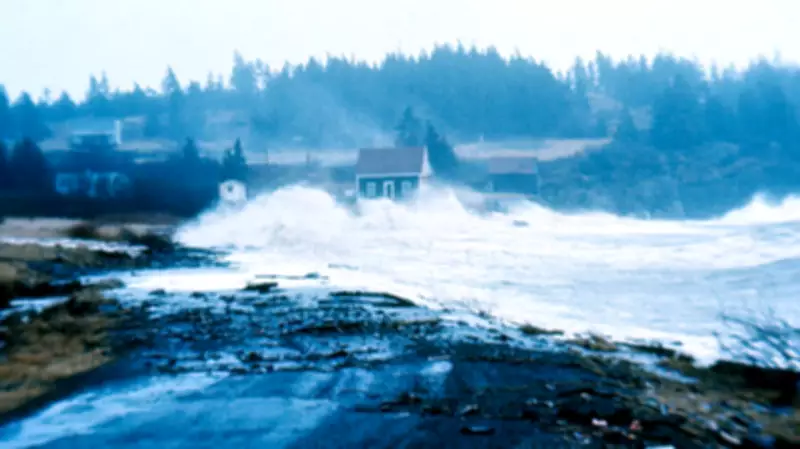
The Groundhog Day Gale was particularly notorious for its massive storm surge, which inundated shorelines and caused significant flooding. In Grand Manan, New Brunswick, photographs from the era capture the sheer force of the ocean as it breached normal boundaries, threatening infrastructure and homes. The surge, combined with high winds, led to power outages, road closures, and substantial property damage across New Brunswick, Nova Scotia, and Prince Edward Island.
Eric Allaby, who documented the event, provided striking images that show waves crashing over seawalls and flooding streets, offering a stark visual record of the storm’s impact. Local reports from the time described how the gale “spared no one,” affecting fishermen, farmers, and urban dwellers alike, with recovery efforts taking weeks in some areas.

Meteorological Context and Historical Significance
Meteorologically, the Groundhog Day Gale was a potent nor’easter, fueled by a clash of Arctic air and warmer Atlantic moisture. It serves as a critical case study for understanding severe weather patterns in Eastern Canada. Experts note that such storms have influenced modern forecasting techniques and emergency preparedness protocols, highlighting the importance of early warning systems.
Over the past five decades, the memory of this storm has been preserved through oral histories and archival materials, reminding current generations of the Maritimes’ resilience in the face of natural disasters. The anniversary prompts reflections on how climate change might alter the frequency and intensity of similar events in the future.
Commemorating the Event and Lessons Learned
As the 50th anniversary approaches, communities in the Maritimes are planning commemorations to honor those who endured the storm and to educate the public about its lasting effects. Key lessons from the Groundhog Day Gale include the need for robust coastal defenses, improved communication during emergencies, and community solidarity in recovery efforts.
This historical event not only shaped regional policies on disaster management but also fostered a deeper appreciation for the power of nature in Atlantic Canada. By remembering the Groundhog Day Gale, we acknowledge the challenges of the past while preparing for the environmental uncertainties of tomorrow.