Southern Ontario Braces for Potentially Record-Breaking Cold Snap
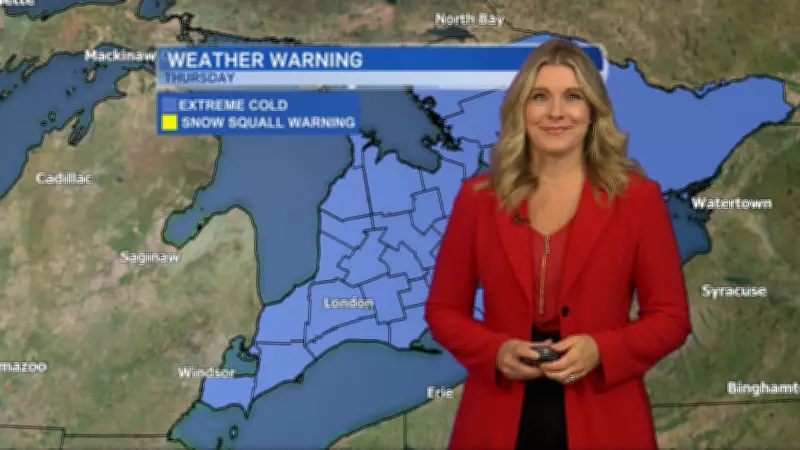
Environment Canada has issued a stark cold warning for Southern Ontario, forecasting dangerously low temperatures that could edge close to historic records on Thursday and Friday. The agency warns that wind chill values may plummet to a bone-chilling -35 degrees Celsius, creating conditions where frostbite can develop on exposed skin in as little as 10 minutes.
Meteorological Breakdown of the Impending Deep Freeze
Meteorologist Julie Atchison explains that an Arctic air mass is descending upon the region, bringing what could be some of the coldest temperatures witnessed in recent years. "We're looking at daytime highs struggling to reach -15°C, with overnight lows potentially dipping below -25°C," Atchison notes. "When you factor in the wind, it creates an exceptionally hazardous situation for anyone spending time outdoors."
Health Authorities Issue Urgent Safety Recommendations
Public health officials are urging residents to take immediate precautions:

- Limit outdoor exposure during peak cold periods, especially in early morning and evening hours
- Dress in multiple layers with wind-resistant outerwear
- Cover all exposed skin, including face, ears, and hands
- Watch for early signs of frostbite including numbness, tingling, or discoloration of skin
- Check on vulnerable neighbors including seniors and those with inadequate heating
The warning comes as part of a broader pattern of extreme winter weather affecting multiple regions across Canada. While Southern Ontario prepares for this cold snap, other provinces are grappling with their own weather challenges, from heavy snowfall to ice storms.
Historical Context and Climate Considerations
While this cold spell appears severe, meteorologists note that such extreme winter conditions have occurred historically in the region. However, climate researchers continue to monitor how changing global patterns might influence the frequency and intensity of these Arctic outbreaks. The current event serves as a reminder of Canada's capacity for extreme winter weather, even as average temperatures show long-term warming trends.
Environment Canada will continue to monitor conditions and may extend or upgrade warnings as the weather system develops. Residents are encouraged to stay informed through official weather channels and prepare accordingly for what could be one of the coldest periods of the winter season.