Freezing Drizzle Creates Hazardous Morning Commute Across Windsor-Essex Region
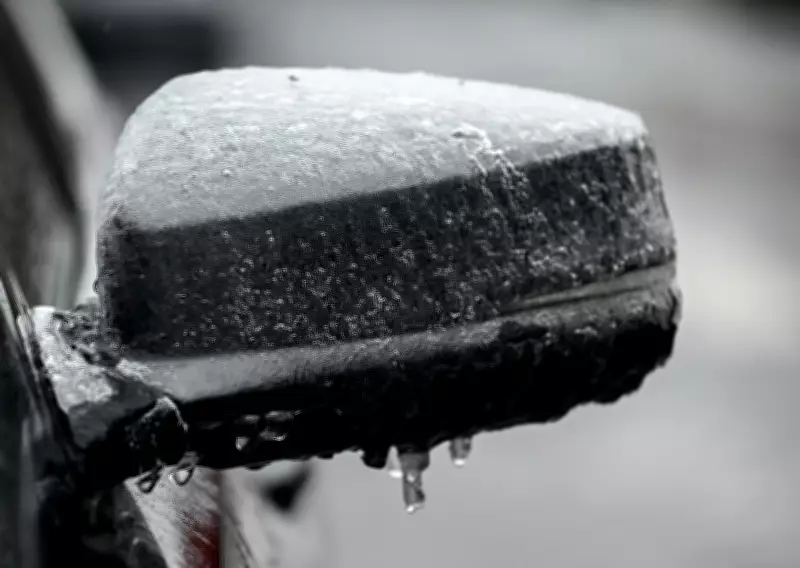
Residents of Windsor and Essex County woke up to treacherous driving conditions on Thursday morning as a bout of freezing drizzle coated roads and sidewalks with a thin, slippery layer of ice. The unexpected winter weather event created significant hazards for morning commuters across the region, prompting warnings from local authorities about reduced traction and visibility.
Weather Conditions and Safety Advisories
Environment Canada had issued special weather statements for the area, noting that temperatures hovering around the freezing mark combined with light precipitation created ideal conditions for freezing drizzle. This phenomenon occurs when supercooled water droplets freeze upon contact with surfaces at or below zero degrees Celsius, creating an almost invisible glaze of ice that can be particularly dangerous for drivers and pedestrians alike.
Local transportation officials urged motorists to exercise extreme caution, recommending reduced speeds, increased following distances, and avoidance of sudden braking or acceleration. Public works crews were deployed throughout the region to apply salt and sand to major roadways, though residential streets and sidewalks remained particularly hazardous throughout the morning hours.

Impact on Regional Transportation
The freezing drizzle affected multiple aspects of daily life in Windsor-Essex:
- School bus services operated on modified schedules with some delays reported
- Public transit experienced minor disruptions as buses navigated slippery conditions
- Pedestrian walkways and parking lots required additional attention from maintenance crews
- Several minor collisions were reported to local police, though no serious injuries were immediately confirmed
"These conditions can change rapidly," noted a representative from the Windsor-Essex County Environment Office. "What appears as wet pavement can actually be a thin sheet of black ice that provides virtually no traction for vehicles or pedestrians."
Weather Patterns and Regional Context
The freezing drizzle event in Windsor-Essex occurred amid broader weather patterns affecting southern Ontario. While the region typically experiences more substantial snowfall during February, these freezing precipitation events have become increasingly common during transitional weather periods when temperatures fluctuate around the freezing point.
Meteorologists note that the Great Lakes' moderating influence on local climate can create micro-weather conditions that differ significantly from surrounding areas, making accurate forecasting particularly important for transportation planning and public safety.
Preparedness and Response Measures
Local emergency services reported being prepared for such weather events, with additional staff on standby and response vehicles equipped with appropriate tires and chains for icy conditions. Community organizations also activated cold weather protocols, checking on vulnerable residents who might be affected by the hazardous conditions.
Residents are advised to monitor updated forecasts throughout the day as temperatures are expected to rise slightly, potentially turning the freezing drizzle into regular rain and improving road conditions by afternoon. However, evening temperatures may drop again, creating potential refreezing conditions that could affect the evening commute.
The Windsor-Essex region's experience with freezing drizzle serves as a reminder of the importance of winter weather preparedness, particularly during months when temperature fluctuations can create unexpected hazardous conditions for all road users.