Widespread Arctic Outbreak Triggers Severe Cold Warnings Across Canada
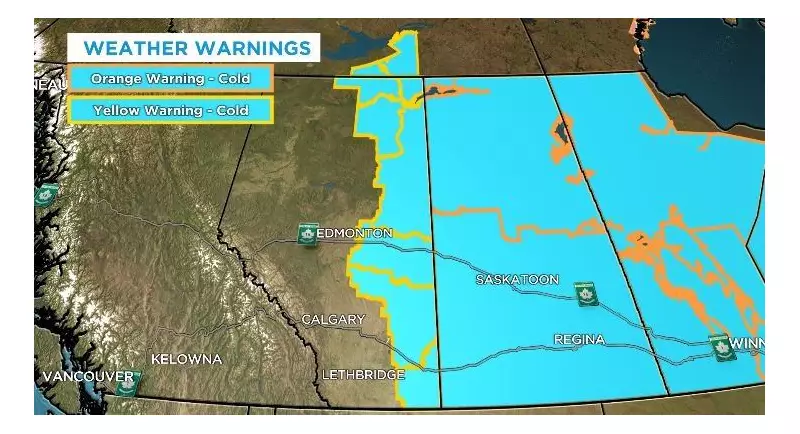
A powerful and dangerous arctic air mass has descended upon Canada, prompting Environment and Climate Change Canada to issue extreme cold warnings for a vast majority of the country. As of Friday, January 23, 2026, official warnings are in effect for 10 out of the nation's 13 provinces and territories, highlighting the severity and breadth of this winter weather event.
Dangerous Wind Chills and Regional Impacts
The core of the cold is generating life-threatening wind chill values. In the Maritime provinces, residents are bracing for wind chills as low as -37 degrees Celsius this weekend. This bitter cold is not just a discomfort; it poses significant health risks, including frostbite and hypothermia, for anyone exposed without proper protection.
The extreme conditions are forcing widespread disruptions. In Manitoba, the combination of extreme cold and freezing wind chills has led to numerous school closures across the region. Similarly, the anticipated demand for electricity in the Maritimes is expected to surge to high levels as residents and businesses crank up heating systems to combat the deep freeze.

Local Responses to the Harsh Conditions
Communities are mobilizing resources to protect vulnerable populations. In Regina, Saskatchewan, a new 24-hour warming centre has opened its doors to provide essential refuge from the gripping cold. The city's proactive measure underscores the critical need for safe havens during such severe weather episodes.
Meanwhile, in Calgary, snowfall is expected in the surrounding area, adding another layer of winter challenge. The Sky Watch Weather Centre forecasts indicate ongoing cold and potential precipitation, complicating travel and daily activities for Albertans.
Broader Context of Winter Extremes
This nationwide cold snap arrives amid broader discussions about winter phenomena and climate adaptation. Experts note unusual events like "exploding trees," caused by rapid freezing of sap, and ongoing conversations about how winter sports, including the Olympics, must adapt to a warming planet. However, the immediate reality for millions of Canadians is a battle against one of winter's most formidable foes: prolonged, bone-chilling cold.
Authorities continue to urge the public to take precautions. Recommendations include limiting time outdoors, dressing in multiple layers, ensuring homes and vehicles are properly winterized, and checking on elderly neighbors or those living alone. The widespread nature of these warnings serves as a stark reminder of Canada's formidable winter climate and the importance of community resilience in the face of its harshest elements.