Severe Cold Warning Issued as Southern Ontario Faces -30°C Wind Chill This Weekend
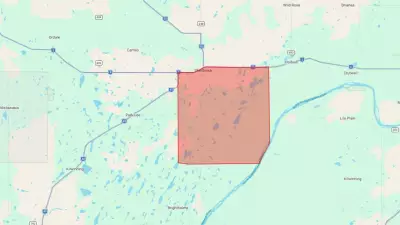
Environment Canada has issued a stark cold warning for parts of southern Ontario, with forecasters predicting that wind chills could make it feel as cold as -30 degrees Celsius over the upcoming weekend. This extreme weather event is prompting urgent safety advisories from health and municipal authorities across the region.
Health Risks and Public Safety Advisories
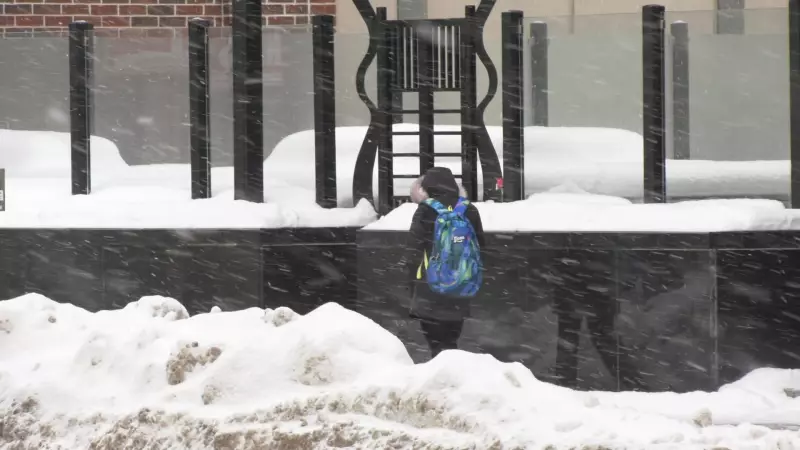
The plummeting temperatures significantly increase the risk of frostbite and hypothermia for anyone exposed to the elements. Health experts are urging residents to limit their time outdoors, dress in multiple warm layers, and cover all exposed skin to prevent cold-related injuries. Municipalities are also asking for public patience as they contend with snow clearing operations and potential service delays exacerbated by the severe conditions.
This cold snap is part of a broader deep freeze affecting much of Ontario. Similar warnings are in effect across northern parts of the province. The intense cold is already causing disruptions, including flight delays and cancellations at major Canadian airports, and raising concerns about vehicle safety and increased risks of house fires or carbon monoxide poisoning as people rely more heavily on heating systems.

Broader Environmental and Regional Impacts
The frigid conditions are having noticeable environmental effects. For instance, Lake Erie is experiencing ice surges due to the combination of bitter cold and unusually low water levels. Furthermore, the phenomenon of 'exploding trees'—where sap freezes and expands inside trunks, causing them to crack loudly—has been explained by experts as a rare but dramatic occurrence during such extreme temperature drops.
While this article focuses on the Ontario warning, it is noteworthy that other regions like Quebec and the Maritimes are also forecast to experience near -50°C wind chills, indicating a widespread and severe winter weather pattern across Eastern Canada.
Residents are advised to stay informed through official Environment Canada updates and to check on vulnerable community members, including the elderly and those experiencing homelessness, during this period of dangerously cold weather.