Severe Winter Weather Disrupts Life in Quebec as Extreme Cold Grips the Region
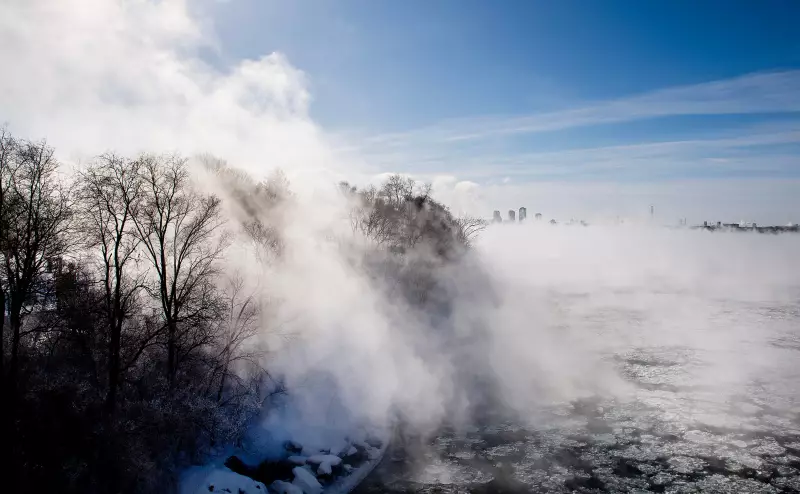
Environment Canada has issued two significant weather alerts for the Greater Montreal area, warning residents of hazardous conditions expected to persist through the weekend and into Monday. The alerts cover both heavy snowfall and dangerously extreme cold, with temperatures plummeting to levels that pose serious risks to public safety and daily routines.
Widespread Cancellations and Safety Precautions
The intense cold wave has led to numerous cancellations of outdoor activities across Quebec, as organizers prioritize participant safety in the face of potentially dangerous conditions. Municipal authorities and event planners are urging residents to exercise caution and limit unnecessary exposure to the elements during this severe weather episode.
Environment Canada's warnings emphasize the particular risks associated with such extreme temperatures, including frostbite that can occur within minutes on exposed skin. The agency recommends that people dress in multiple layers, cover all exposed areas, and monitor for signs of cold-related health issues when venturing outside.

Broader Impacts Across Eastern Canada
This cold snap extends beyond Quebec, affecting much of eastern Canada with similar severity. Ontario and the Maritime provinces are also experiencing near-record low temperatures, with some regions anticipating wind chills approaching -50°C. The widespread nature of this weather system has created challenges for transportation, infrastructure, and emergency services across multiple provinces.
The extreme conditions have already caused flight delays and cancellations at major Canadian airports, while road maintenance crews face difficulties keeping transportation corridors safe and accessible. Municipalities are reporting shortages of road salt and other winter maintenance materials as they work to manage the impacts of sustained cold temperatures.
Long-Term Considerations and Climate Context
While such extreme cold events occur naturally in Canadian winters, climate scientists note that warming global temperatures may be contributing to more volatile and intense weather patterns. The current cold snap serves as a reminder of the importance of winter preparedness and infrastructure resilience in the face of increasingly unpredictable seasonal conditions.
Public health officials emphasize that vulnerable populations, including seniors, children, and those experiencing homelessness, face particular risks during such extreme weather events. Community organizations and municipal services are implementing additional support measures to ensure all residents can stay safe during this period of dangerously low temperatures.