Residents of Edmonton enjoyed a remarkable and unseasonably warm day this January, with temperatures soaring to levels rarely seen for the month in the 21st century. The event, noted by meteorologists, stands out in the city's recent climatic history.
A Notable Climatic Anomaly
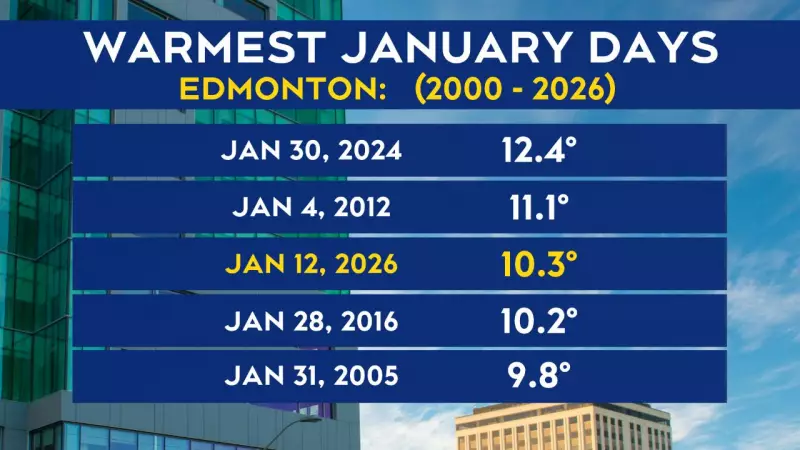
The significant warmth recorded on January 12, 2026, places it among the top warmest January days Edmonton has seen since the year 2000. This deviation from typical frigid winter conditions provided a temporary respite from the usual cold snap, prompting many to venture outdoors. Meteorologist Josh Classen highlighted the event, underscoring its rarity within the past two and a half decades of weather data for the region.
Context and Broader Weather Patterns
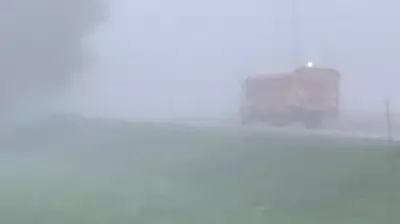
While Edmonton basked in unusual warmth, other parts of Canada faced starkly different conditions, illustrating the country's diverse and dynamic climate. Forecasts in other regions warned of powerful wind gusts potentially reaching up to 120 km/h, while a crash involving a transport truck and a snowplow occurred on Highway 17. This contrast highlights the variable and often extreme weather patterns experienced across the nation during the winter months.

Looking Ahead: Active Weather on the Horizon
Following the brief warm interlude, forecasts for Edmonton and much of Alberta suggest a return to more active and cooler conditions. Experts indicate a week of 'active weather' is expected, reminding residents that typical winter volatility is far from over. Such singular warm days, while notable, are often fleeting amidst the broader seasonal patterns.
The event serves as a talking point for discussions on weather variability and long-term climatic trends, though scientists caution against attributing any single day's weather directly to broader climate change without analysis of long-term data sets.