Southwestern Ontario Braces for Deep Freeze as Arctic Air Descends
A significant and potentially dangerous cold snap is forecast to grip southwestern Ontario, with Environment Canada issuing warnings for brutally low temperatures and hazardous wind chills. The impending deep freeze, expected to arrive imminently, highlights a broader pattern of extreme winter weather impacting communities across Canada.
Frigid Conditions and Public Safety Advisories
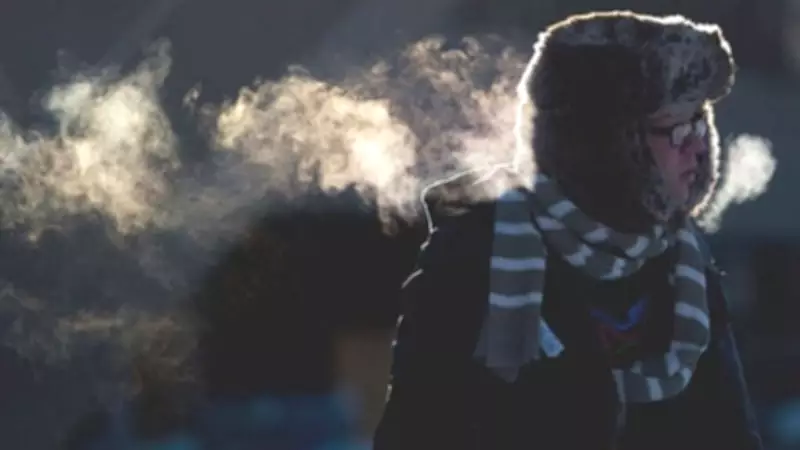
Meteorologists predict that an influx of Arctic air will cause temperatures to plummet across the region. The primary concern is the wind chill, which could make it feel as cold as minus 35 degrees Celsius. Such conditions pose serious risks of frostbite and hypothermia for anyone exposed outdoors for extended periods.
Residents in Kitchener, London, and surrounding areas are urged to take precautions. This includes limiting time outside, dressing in multiple layers, and ensuring vulnerable populations, such as the elderly and homeless, have access to warm shelter. Local authorities often activate extreme cold weather protocols, opening additional warming centres during such events.

A National Context of Winter Extremes
This forecast for southwestern Ontario is not an isolated incident. Similar cold warnings have been active in other parts of the country, including Ottawa, where wind chills have also been reported near -35°C. The news comes amidst other weather-related disruptions, such as cancelled blood donation appointments due to storms, underscoring winter's wide-reaching impact on daily life and essential services.
Furthermore, other regions are grappling with different seasonal challenges. Saskatchewan wildfire crews are already conducting preparatory work following the devastating fires of 2025, while communities like Sudbury face issues with trespassing snowmobilers jeopardizing trail access. These stories collectively paint a picture of a nation navigating diverse and often harsh environmental conditions.
Broader Implications and Community Response
Extreme cold events strain infrastructure and public resources. They can lead to increased energy demands, transportation delays, and heightened risks for road safety, as evidenced by incidents like a driver being fined after an excavator fell off a transport truck on Highway 417 in slick conditions.
Community resilience is tested during these freezes. The situation serves as a reminder of the importance of emergency preparedness at the household and municipal levels. As climate patterns evolve, understanding and adapting to these intense cold spells remains a critical aspect of public safety and environmental policy in Canada.