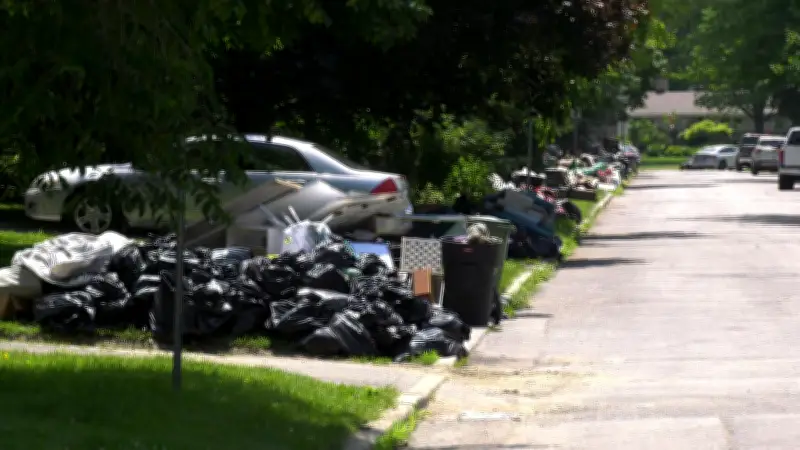
Residents of Ottawa's Crystal Beach neighbourhood are expressing growing frustration as piles of flood-related trash, including rotting food and debris, remain at the curb one week after devastating Canada Day storms swept through the region.
Storm Aftermath Leaves Neighborhood in Disarray
The storms, which struck on July 1, caused widespread flooding and damage across Ottawa. In Crystal Beach, many homes were inundated, forcing residents to discard waterlogged furniture, appliances, and personal belongings. However, the promised city cleanup has yet to materialize, leaving the neighborhood littered with garbage that is now decomposing in the summer heat.
“It's disgusting,” said local resident Mary Thompson. “The smell is unbearable, and we're worried about health risks. We've called the city multiple times, but no one has come.” According to Thompson, the trash includes spoiled food from flooded refrigerators, soaked carpets, and broken furniture, creating an eyesore and a potential breeding ground for pests.

City Response Criticized as Inadequate
The city of Ottawa has acknowledged the delays, citing the sheer volume of debris from the storm as a challenge. In a statement, officials said that crews are working extended hours but have been overwhelmed by the demand. “We understand the frustration of residents,” the statement read. “We are prioritizing the most affected areas and ask for patience as we continue cleanup efforts.” However, many residents feel the response has been too slow. “We've been patient for a week,” said another resident, John Davis. “This is a health hazard. The city needs to do more.”
Statistics from the city indicate that over 10,000 homes were impacted by the floods, generating an estimated 50,000 tonnes of waste. As of July 8, only about 30% of the debris had been collected, leaving neighborhoods like Crystal Beach to suffer.
Health and Safety Concerns Mount
The rotting trash poses significant health risks, including the attraction of rodents, insects, and other pests. Decomposing organic matter can also release harmful bacteria and odors, exacerbating respiratory issues for residents. “We're seeing an increase in complaints about rats and flies,” said Dr. Sarah Mitchell, a local public health official. “It's critical that this waste is removed promptly to prevent disease outbreaks.” Residents have also expressed safety concerns, as the piles block sidewalks and create tripping hazards.
Despite the challenges, the city has assured that Crystal Beach remains a priority. Additional crews and equipment were deployed on July 9 to accelerate the cleanup. “We are doing everything we can,” said Ottawa Mayor Mark Sutcliffe in a press conference. “This is an unprecedented situation, but we are committed to restoring normalcy.”
Community Seeks Accountability
In the meantime, some residents have taken matters into their own hands, organizing neighborhood cleanups to move trash to central collection points. However, they stress that the city must step up. “We shouldn't have to do this ourselves,” said Thompson. “We pay taxes for services like this. The city failed us.” As the cleanup continues, the incident has sparked broader discussions about emergency preparedness and waste management in the wake of extreme weather events, which scientists say are becoming more frequent due to climate change.