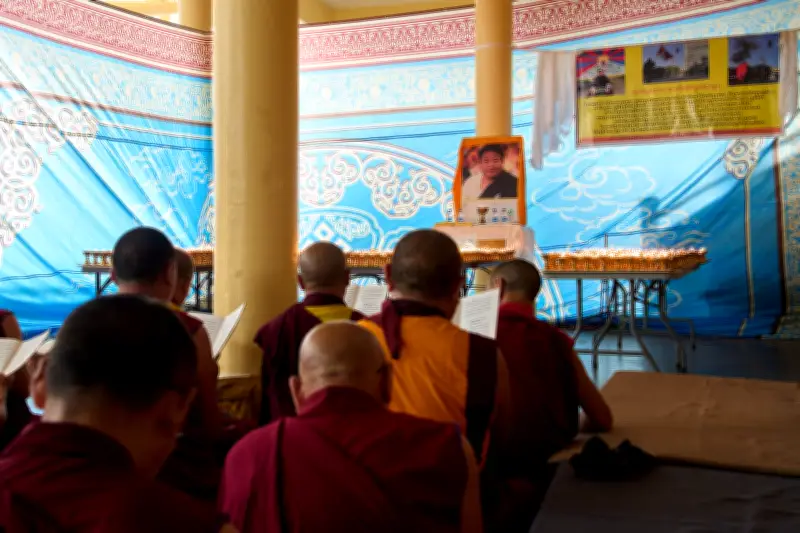
The United States has reiterated its support for the preservation of Tibetan culture and aspirations, following the death of a Tibetan man who set himself on fire in a protest. The incident occurred on July 4, 2026, in Dharamshala, India, where exiled Tibetans held a special prayer ceremony for Lobsang Palden, who died from his injuries. The U.S. State Department issued a statement expressing condolences and reaffirming Washington's commitment to protecting Tibet's unique cultural heritage.
Background of the Incident
Lobsang Palden, a Tibetan exile, set himself on fire in a public square in Dharamshala, a common form of protest among Tibetans against Chinese rule. He succumbed to his burns shortly after. The act has sparked renewed debate over Tibet's status and the rights of its people. The U.S. has long criticized China's policies in Tibet, calling for dialogue and respect for Tibetan culture.
U.S. Response and International Reaction
In a press briefing, a U.S. State Department spokesperson said, 'We are deeply saddened by the loss of life and stand with the Tibetan people in their peaceful pursuit of cultural preservation and autonomy.' The statement also urged China to engage in meaningful talks with Tibetan representatives. Human rights groups have condemned the self-immolation as a desperate act, while China has dismissed the incident as a criminal act and accused the U.S. of interfering in its internal affairs.

Impact on Tibetan Community
The Tibetan community in exile has been galvanized by Palden's death, with many calling for increased international pressure on China. The Dalai Lama, in a message, described the act as a 'heartbreaking reminder of the suffering of our people.' The incident has also drawn attention to the broader issue of cultural erosion in Tibet, where Chinese policies have been accused of suppressing religious and linguistic traditions.
According to the Central Tibetan Administration, over 150 Tibetans have self-immolated since 2009, with most cases occurring in Chinese-controlled Tibet. The U.S. has consistently supported the preservation of Tibetan culture, including through funding for cultural programs and educational exchanges. However, critics argue that more concrete action is needed to protect Tibetan rights.