Significant and ongoing snowfall is creating challenging conditions on a key British Columbia transportation route. The Coquihalla Highway, a major connector through the province's interior, is experiencing a substantial dump of snow, impacting travel and visibility.
Current Conditions on the Coquihalla
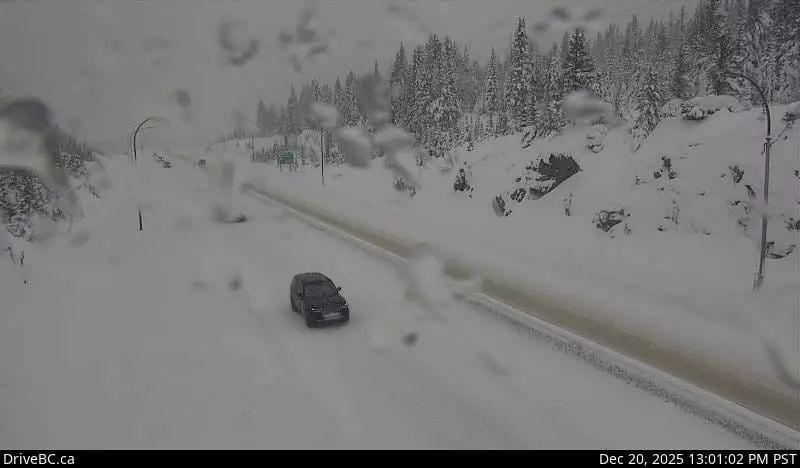
As of Saturday, December 20, 2025, DriveBC camera footage captured the scene at approximately 1 p.m. The image, looking south from a point about 61 kilometers south of Merritt, showed a highway landscape being steadily covered by fresh snow. The continuous precipitation underscores the severe winter weather affecting the region.
Broader Weather Context Across Canada
This event on the Coquihalla is part of a wider pattern of intense winter weather impacting multiple provinces. Authorities have issued a snow squall watch for southwestern Quebec, including Montreal, warning of potential hazardous conditions. In Saskatchewan, RCMP reported multiple collisions due to a combination of icy roads and blowing snow, prompting the closure of a highway north of Tisdale after a serious collision.

In Ontario, similar warnings are in place, with snow squalls and strong winds expected to cause issues across Simcoe County. These widespread conditions highlight a active and disruptive weather system moving across the country as the winter season intensifies.
Safety and Travel Advisories
Travelers are strongly advised to exercise extreme caution or reconsider non-essential trips on affected routes like the Coquihalla Highway. Checking the latest updates from DriveBC for road conditions, closures, and webcam feeds is crucial before embarking on any journey. Drivers should be prepared for rapidly changing visibility, accumulating snow, and potentially icy patches.
Ensuring vehicles are equipped with proper winter tires, a full tank of gas, and an emergency kit is a standard recommendation for winter travel in British Columbia's mountain passes. The current situation serves as a stark reminder of the powerful and unpredictable nature of coastal and interior winter storms.