Comox Valley Declares State of Emergency as Flooding Shuts Down Parks
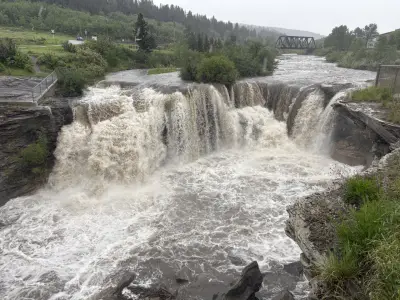
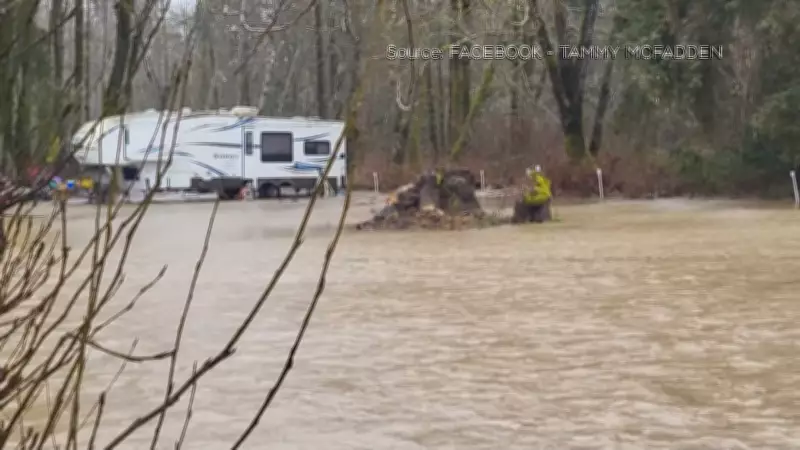
Heavy rainfall has triggered significant flooding in British Columbia's Comox Valley on Vancouver Island, leading local authorities to declare a state of emergency and issue evacuation orders. The deluge, which began earlier this week, has overwhelmed drainage systems and natural waterways, resulting in widespread water accumulation that poses risks to public safety and infrastructure.
Immediate Impacts and Response Measures
In response to the escalating situation, municipal officials have closed multiple parks and recreational areas across the Comox Valley region. These closures are a precautionary measure to prevent injuries and ensure that emergency crews can operate unimpeded. The local state of emergency enables faster mobilization of resources, including sandbag distribution and temporary shelter setups for displaced residents.
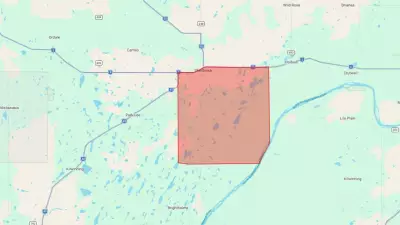
Evacuation orders have been prioritized for low-lying neighborhoods and areas near swollen rivers, with emergency services conducting door-to-door notifications to ensure community awareness. Residents are advised to monitor official channels for updates and avoid non-essential travel, as road closures may be implemented due to waterlogged conditions.

Weather Patterns and Historical Context
Meteorologists attribute the flooding to an atmospheric river event that brought prolonged, intense precipitation to Vancouver Island. Such weather phenomena are becoming more frequent in the region, linked to broader climate change trends affecting precipitation patterns. Historical data suggests that while heavy rains are not uncommon in coastal British Columbia, the severity and timing of this event have caught many off guard, highlighting the need for enhanced flood preparedness.
The Comox Valley, known for its scenic beauty and outdoor activities, now faces disruptions that could last several days as waters recede and damage assessments begin. Local businesses, particularly those reliant on tourism, may experience economic impacts, though community support initiatives are already emerging to aid recovery efforts.
Broader Implications and Safety Recommendations
Beyond the immediate closures, the flooding underscores vulnerabilities in regional infrastructure, such as aging culverts and limited floodplain management. Experts recommend that residents:
- Secure valuable items in elevated locations within their homes.
- Prepare emergency kits with essentials like food, water, and medications.
- Stay informed through local news and government alerts for real-time updates.
As cleanup operations gear up, authorities emphasize that public cooperation is crucial to minimizing long-term effects. The Comox Valley Regional District is coordinating with provincial agencies to provide assistance and assess environmental impacts, such as potential contamination from runoff.
This incident serves as a reminder of the increasing volatility in weather patterns across Canada, prompting calls for more resilient community planning and investment in flood mitigation strategies. For now, the focus remains on ensuring safety and supporting those affected by the rising waters.