Environment Canada Issues Yellow Cold Warning for Southwestern Ontario
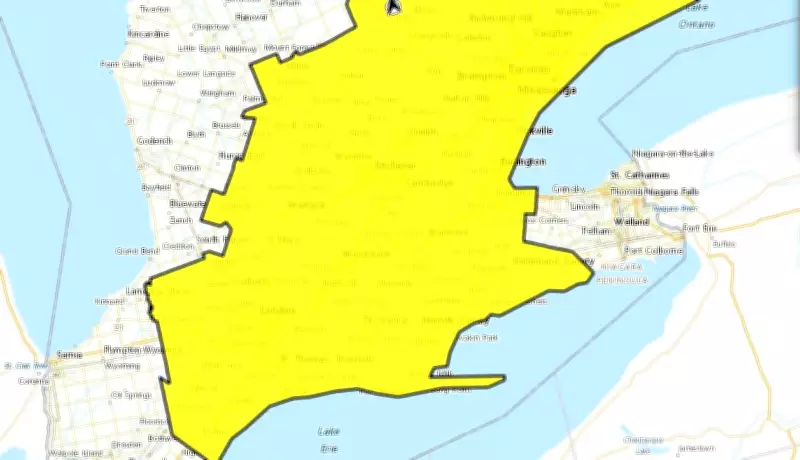
Environment Canada has issued a yellow cold warning for parts of southwestern Ontario on January 31, 2026, as a significant cold snap descends upon the region. The warning highlights the potential for dangerous wind chills and frigid temperatures that could pose health risks to residents.
Details of the Cold Warning
The warning, which is categorized as yellow to indicate moderate severity, covers specific areas in southwestern Ontario. According to Environment Canada, wind chills are expected to plummet to as low as -31 degrees Celsius overnight, creating hazardous conditions for anyone exposed to the elements. This cold event is part of a broader pattern of extreme weather affecting Canada, with similar warnings and advisories in place across the country.
Residents in the affected regions are advised to take immediate precautions to protect themselves from the cold. This includes dressing in layers, covering exposed skin, and limiting time spent outdoors, especially during the overnight hours when temperatures are at their lowest. Vulnerable populations, such as the elderly, young children, and those with pre-existing health conditions, are at particular risk and should exercise extra caution.

Broader Context of Extreme Weather in Canada
This cold warning comes amid a weekend of extreme weather events across Canada. For instance, other regions are experiencing heavy snowfall, flooding, and storm-related emergencies. In Nova Scotia, heavy snowfall is helping to replenish soil moisture following a prolonged drought, while on Vancouver Island, rising floodwaters have led to evacuations and rescue operations, including stranded people and livestock.
Environment Canada's warnings are part of its ongoing efforts to monitor and communicate weather-related risks to the public. The agency uses a color-coded system to indicate the severity of weather events, with yellow warnings signaling conditions that could be hazardous if proper precautions are not taken. In this case, the cold warning underscores the importance of staying informed and prepared during winter months.
Safety Recommendations and Community Response
In response to the warning, local authorities and community organizations are stepping up efforts to ensure public safety. For example, warming centers and shelters may be activated to provide refuge for those without adequate heating or housing. Residents are encouraged to check on neighbors, especially those who live alone or may be more susceptible to cold-related illnesses.
Additionally, it's crucial to be aware of the signs of frostbite and hypothermia, which can occur quickly in such extreme conditions. Symptoms include numbness, tingling, shivering, and confusion. If any of these signs are observed, seeking medical attention immediately is essential.
As the cold snap persists throughout the weekend, Environment Canada will continue to update its warnings and advisories. Staying tuned to local weather forecasts and following official guidance can help mitigate the risks associated with this severe weather event. By taking proactive measures, communities in southwestern Ontario can navigate this cold spell safely and minimize its impact on daily life.