Climate Change Intensifies Extreme Weather Across Canada, Experts Confirm
Recent scientific analysis has established a clear connection between the increasing frequency and severity of extreme weather events in Canada and the ongoing effects of climate change. Experts are now warning that communities from coast to coast must prepare for more intense storms, unpredictable temperature swings, and other hazardous conditions as global warming accelerates.
Scientific Evidence Points to Climate Link
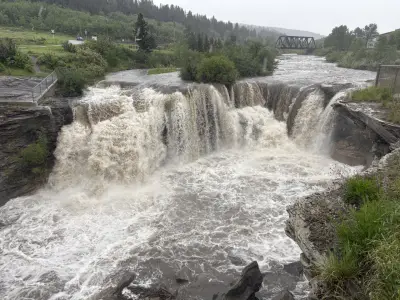
Meteorologists and climate scientists have been tracking a disturbing trend across Canadian provinces. The data reveals that what were once considered rare weather anomalies are becoming increasingly common occurrences. From devastating wildfires in Western Canada to unprecedented flooding in Eastern provinces, the fingerprints of climate change are becoming more evident with each passing season.
The research indicates that warming temperatures are fundamentally altering weather patterns, creating conditions that favor more extreme events. Warmer air holds more moisture, leading to heavier rainfall and more intense storms. Meanwhile, shifting jet streams are creating prolonged periods of extreme heat or cold in different regions.

Regional Impacts Across the Country
Different parts of Canada are experiencing climate change impacts in distinct ways:
- Western Canada faces increased wildfire risks and prolonged drought conditions
- Central regions experience more intense thunderstorms and flooding events
- Eastern provinces contend with stronger coastal storms and changing precipitation patterns
- Northern territories see accelerated permafrost thaw and changing ice conditions
These regional variations demonstrate how climate change manifests differently across Canada's diverse geography, yet all point to the same underlying cause.
Expert Warnings and Future Projections
Climate scientists emphasize that current trends represent just the beginning of more significant changes to come. "What we're seeing now is consistent with climate model projections," explains one leading researcher. "As global temperatures continue to rise, we can expect these extreme weather events to become even more frequent and intense."
The implications extend beyond immediate weather hazards. Infrastructure designed for historical climate conditions may prove inadequate for future extremes. Agricultural practices, water management systems, and emergency response protocols all require reassessment in light of these changing realities.
Adaptation and Mitigation Strategies
Experts stress the importance of both adaptation and mitigation efforts. Communities must develop resilience plans that account for increased weather extremes while simultaneously working to reduce greenhouse gas emissions. This dual approach represents Canada's best strategy for managing climate risks while contributing to global efforts to limit temperature rise.
The scientific consensus is clear: climate change is no longer a distant threat but a present reality affecting weather patterns across Canada. As evidence continues to mount, the need for comprehensive action becomes increasingly urgent for protecting communities and ecosystems nationwide.