Canada's Extreme Weather: Record Snow, Flooding and Deadly Wildfires Across Provinces
This week has brought a dramatic display of wild weather across Canada, with various regions experiencing record-breaking snowfall, significant flooding concerns, and deadly wildfires. The nation's climate systems are demonstrating their full range of intensity, creating challenging conditions from coast to coast.
Record Snowfall and Deep Freeze Conditions
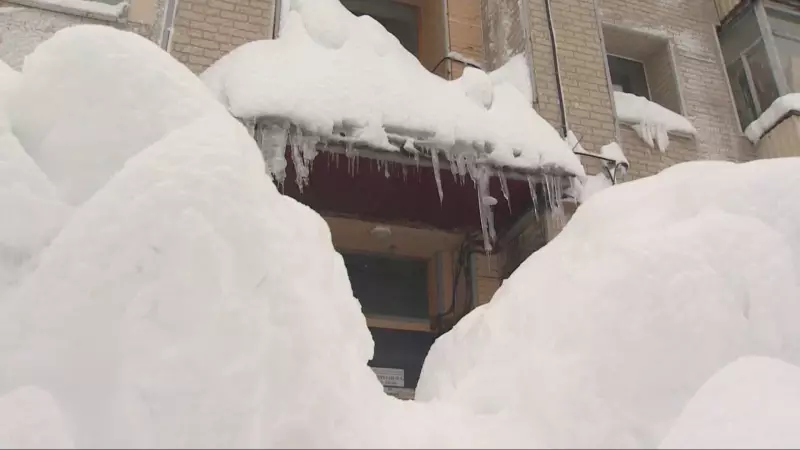
Multiple Canadian provinces are grappling with unprecedented snowfall amounts that have broken historical records in some areas. The deep freeze has settled over Edmonton, with temperatures plummeting to extreme lows that are expected to ease gradually through the weekend. Similar frigid conditions are persisting in Toronto, where meteorologists indicate the cold snap is likely to remain for an extended period.
In Saskatoon and surrounding regions, the bitter cold has led to widespread school bus cancellations as authorities prioritize safety during these hazardous conditions. Snow continues to fall across many areas, with forecasts predicting a very cold and snow-packed weekend ahead for numerous communities.

Flooding Concerns and Water Management
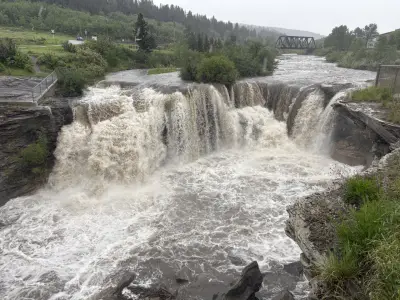
While some regions face excessive snow, others are dealing with flooding threats as precipitation patterns shift. The combination of melting snow and additional precipitation has created challenging water management situations across several provinces. This comes as a UN report declares a global state of 'water bankruptcy,' highlighting the importance of effective water resource management during extreme weather events.
First Nations chiefs have called out Ottawa over pipeline deals that fail to adequately address water protection concerns, emphasizing how infrastructure decisions intersect with environmental challenges during periods of weather extremes.
Deadly Wildfires and Environmental Impacts
Meanwhile, deadly wildfires continue to pose significant threats in certain regions, mirroring similar devastating fires reported in Chile. British Columbia has seen tragic consequences, with the killing of a B.C. academic spurring calls for government action against gender violence amid broader environmental challenges.
The planet's warming trend raises questions about how winter sports and traditions can adapt, with concerns about the future of Winter Olympics and Paralympics as climate patterns shift. Canadian federal scientists predict this year may rival some of the hottest ever recorded, adding context to the current extreme weather patterns.
Infrastructure and Community Responses
Transportation systems are feeling the strain of these weather extremes. OC Transpo bus routes serving downtown Ottawa have experienced the most cancelled trips, while multiple collisions have slowed down Highway 11 due to hazardous driving conditions. Cities are responding by increasing capacity at local emergency shelters during cold snaps to protect vulnerable populations.
Windsor-Essex is bracing for bitter cold and blowing snow through the weekend, while Regina has reported heavy flames and smoke in northwest areas. An earthquake near Haida Gwaii, B.C., though not expected to cause damage, adds to the sense of environmental instability.
These extreme weather events highlight the complex challenges Canada faces as climate patterns become increasingly volatile, requiring coordinated responses across government, community, and individual levels to ensure safety and resilience.