Nationwide Deep Freeze: Extreme Cold Warnings Blanket Canada with Lows Near -50°C
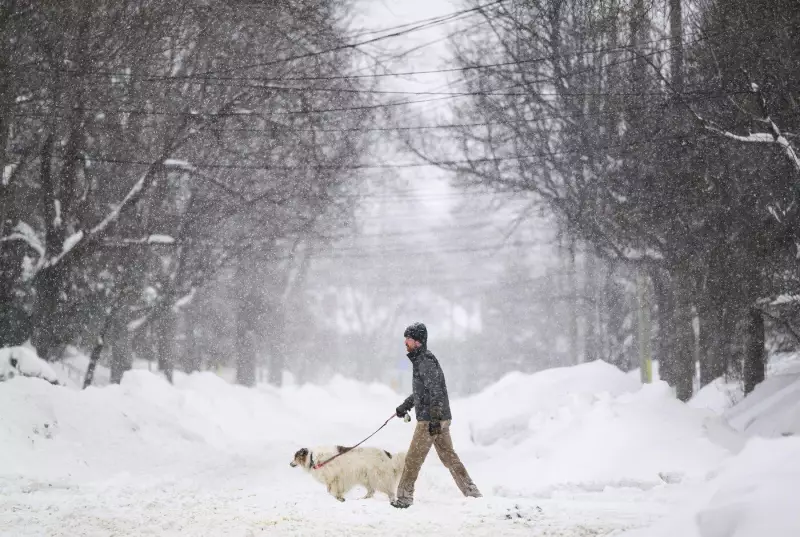
A powerful and expansive polar vortex has descended upon Canada, prompting meteorological agencies to issue widespread extreme cold warnings from coast to coast. This severe Arctic outbreak is subjecting millions of Canadians to dangerously low temperatures, with forecasts indicating wind chills and ambient readings plummeting to near -50 degrees Celsius in the hardest-hit northern and prairie regions. The sudden and intense cold snap represents a significant test of personal preparedness, municipal emergency protocols, and community resilience during the heart of winter.
Bracing for the Bitter Cold: Municipal Responses and Public Advisories
Municipalities across the country are activating their cold-weather response plans. In Toronto, for instance, Mayor Olivia Chow has publicly addressed the city's strategy as it prepares for what could be its coldest temperatures since February 2023. The plan typically involves opening additional warming centres, ensuring outreach to vulnerable populations like those experiencing homelessness, and coordinating with transit and utility services to maintain critical infrastructure. Similar preparations are underway in other major urban centres and rural communities, with officials urging residents to limit outdoor exposure, check on elderly neighbours, and ensure home heating systems are functioning properly.
The Science Behind the Snap: Understanding the Polar Vortex
This dramatic temperature drop is driven by a southward shift of the polar vortex, a large area of low pressure and cold air that normally circulates around the North Pole. When this vortex weakens or becomes disrupted, it can send frigid Arctic air masses deep into southern Canada and the United States. Meteorologists note that while these events are a natural part of winter variability, their intensity and duration can be influenced by broader climatic patterns. The current system is notable for its wide geographic reach, affecting virtually every province and territory with prolonged periods of life-threatening cold.

Community and Safety Measures During Extreme Cold
The paramount concern during such an extreme weather event is public safety. Health officials emphasize the risks of frostbite and hypothermia, which can occur within minutes on exposed skin in these conditions. Key safety recommendations include:
- Layering clothing with moisture-wicking base layers, insulating mid-layers, and a wind-proof outer shell.
- Covering all exposed skin, including ears, nose, and fingers.
- Being aware of the signs of cold-related illness, such as numbness, shivering, confusion, and slurred speech.
- Preparing vehicles with winter survival kits containing blankets, food, water, and a fully charged phone.
Furthermore, aid organizations and homeless shelters are reporting increased demand for services, working diligently to provide warm spaces, hot meals, and winter gear during what they describe as an exceptionally challenging period. The collective effort highlights the critical importance of community support systems when extreme weather strikes.
Broader Implications and Looking Ahead
This coast-to-coast deep freeze also stresses public infrastructure, from transportation networks dealing with potential delays and hazardous road conditions to energy grids facing peak heating demand. The event serves as a stark reminder of Canada's vulnerability to extreme winter weather, even as the global climate continues to warm on average. Experts suggest that while overall winters may be warming, the potential for volatile swings and severe cold outbreaks remains, underscoring the need for robust, year-round emergency preparedness at individual, municipal, and provincial levels. Residents are advised to stay informed through local weather forecasts and official public safety announcements until the polar vortex retreats and more seasonal temperatures return.