Canada Faces Severe Winter Weather with Widespread Wind Chill and Snow Warnings
Environment Canada has issued a series of severe weather warnings across multiple provinces as a significant winter storm system moves through the country. Canadians are bracing for a combination of extreme wind chills and heavy snowfall, with conditions expected to persist through the weekend. The meteorological agency has highlighted the potential dangers of frostbite and hypothermia due to the bitterly cold temperatures, urging residents to take necessary precautions.
Widespread Impact Across Provinces
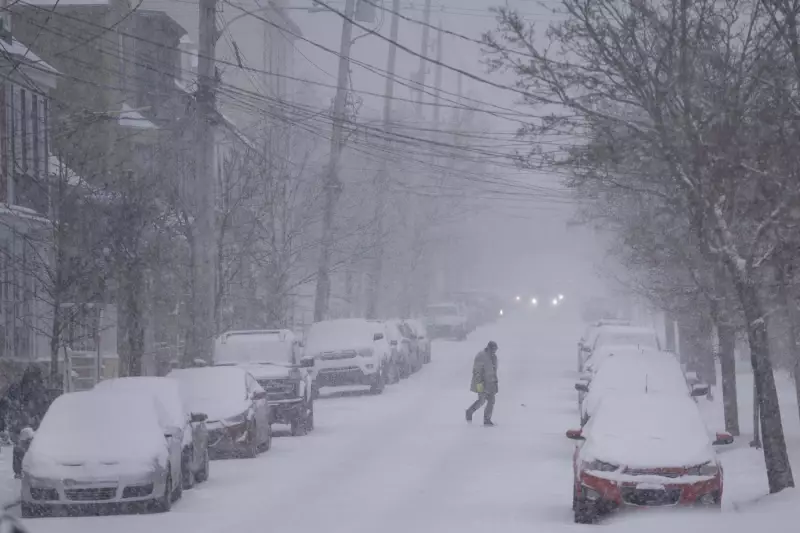
The weather warnings span from the Maritimes to the Prairies, affecting both urban centers and rural communities. In Halifax, high winds and heavy snow have already created hazardous conditions, reminiscent of previous winter events. Meanwhile, Ottawa is preparing for a deep freeze, with temperatures plummeting to dangerous lows. The storm's reach extends to Saskatchewan, where bitter cold has led to school bus cancellations in Saskatoon and surrounding areas, disrupting daily routines for many families.
Environment Canada meteorologists note that this weather pattern is part of a larger system bringing Arctic air southward. The combination of low temperatures and strong winds creates wind chill values that can make it feel significantly colder than the actual air temperature. This phenomenon poses serious health risks, particularly for vulnerable populations such as the elderly, children, and those without adequate shelter.

School Closures and Travel Disruptions
In response to the severe weather, numerous school districts have announced closures or bus cancellations. Maritime schools have published lists of closures for Thursday, while Ontario regions like Muskoka face the possibility of additional snowfall exceeding 50 centimeters. These decisions prioritize student safety, as transportation becomes increasingly treacherous on snow-covered and icy roads.
Travel advisories are in effect across affected regions, with authorities warning against non-essential trips. The Ontario Provincial Police have specifically cautioned drivers about improper use of hazard lights during snowy conditions, which can confuse other motorists. In Windsor-Essex, residents are bracing for blowing snow that may reduce visibility and create whiteout situations, further complicating travel plans.
Long-Term Forecast and Climate Context
While the immediate focus remains on the current storm, Environment Canada's long-range forecasts suggest that such extreme winter events may become more frequent due to broader climate patterns. Federal scientists have indicated that this year could rival some of the hottest ever recorded globally, highlighting the complex interplay between overall warming trends and intense seasonal weather fluctuations.
The current situation serves as a stark reminder of Canada's vulnerability to winter hazards. Municipalities are activating emergency protocols, including warming centers and increased road maintenance operations. Residents are advised to monitor local weather updates regularly, prepare emergency kits, and check on neighbors who may need assistance during this challenging period.