Calgary Faces Unsettled Spring Weather with Significant Snowfall and Electrical Storms
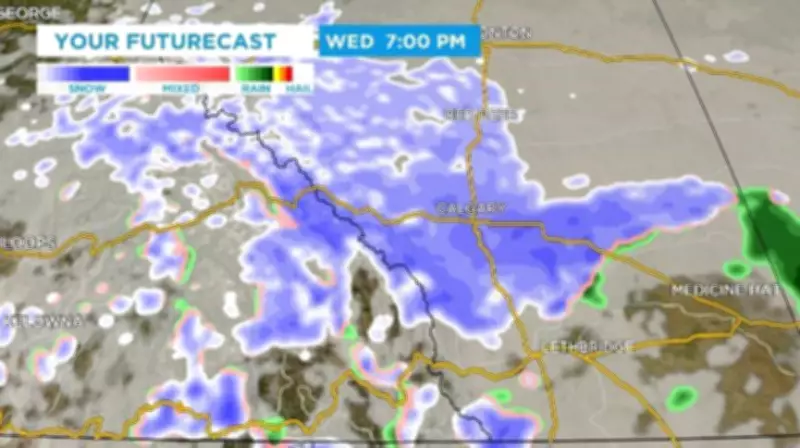
A complex and disruptive weather pattern is poised to sweep across Calgary, introducing a volatile mix of precipitation and powerful winds that starkly contrast with typical spring conditions. Meteorologists are forecasting a messy system that includes lightning strikes, heavy rainfall, accumulations of up to 30 centimetres of snow, and robust north winds, creating hazardous travel and outdoor conditions for residents.
Detailed Forecast Highlights Multiple Weather Hazards
The impending storm system is expected to deliver a rapid succession of weather events, beginning with rain and thunderstorms accompanied by frequent lightning. As temperatures plummet, the precipitation will transition to snow, with projections indicating potential accumulations reaching 30 centimetres in some areas, particularly at higher elevations and in northern parts of the city. Concurrently, strong north winds are anticipated to gust at high speeds, reducing visibility and creating blowing snow scenarios that could exacerbate travel difficulties.
This severe weather alert underscores the unpredictability of spring in Alberta, where seasonal shifts can bring abrupt and extreme changes. Residents are advised to prepare for possible power outages, road closures, and delays in daily activities. The combination of wet snow and wind may lead to downed branches and power lines, while lightning poses additional risks during the initial phase of the storm.

Safety Recommendations and Regional Context
Local authorities are urging Calgarians to exercise caution, avoid non-essential travel during the peak of the storm, and ensure emergency kits are readily available. The forecast has prompted adjustments in municipal services, with snow removal teams placed on standby and public advisories issued for schools and businesses. This event follows a trend of erratic spring weather patterns in the region, possibly influenced by broader climatic factors affecting the Prairies.
While such storms are not uncommon in Alberta, the intensity and timing—mid-April—highlight the challenges of managing weather-related disruptions during transitional seasons. Comparisons to historical data suggest this could be one of the more significant late-season snowfalls in recent years, impacting everything from agriculture to daily commutes. Ongoing monitoring by Environment Canada will provide updates as the system develops, with potential for further advisories if conditions worsen.