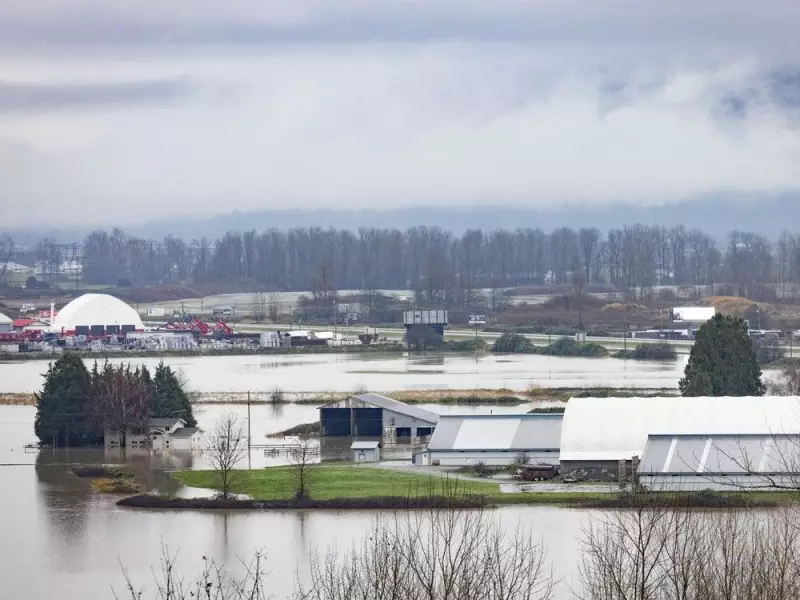
As another severe flood event submerges parts of British Columbia, a grim pattern solidifies. These are no longer rare emergencies but recurrent, devastating fixtures of life in the province. With each disaster, a critical, often unexamined decision is made: who pays the bill. The answer, according to a growing body of evidence, is increasingly and unfairly B.C. residents and taxpayers, while corporations most responsible for driving climate change continue to profit.
The Triple Burden on British Columbians
In the aftermath of disasters, public conversation rightly focuses on resilience—stronger dikes, updated maps, robust emergency response. However, this crucial dialogue sidesteps the fundamental issue of cost distribution. Homeowners and taxpayers across B.C. are currently paying three times over for climate-fueled catastrophes.
First, through skyrocketing insurance premiums. Across Canada, average home insurance costs have surged by approximately 45 percent over the past six years. The increases are even more acute in disaster-prone regions of B.C. In Kamloops, average premiums have nearly doubled, jumping 98 percent in just two years. In Kelowna, they have risen more than 50 percent in the same period.

Second, households pay through expanding coverage gaps. Insurers are responding to rising risks by imposing higher deductibles, narrowing the scope of coverage, and excluding specific perils. When disaster strikes, a growing portion of the financial loss now falls outside what any insurance policy will cover, landing directly in the laps of homeowners.
The Staggering Public Price Tag
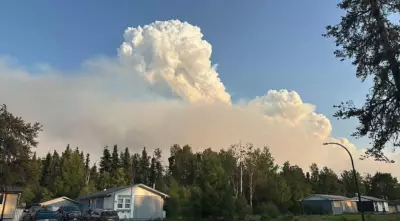
The third, and massive, payment comes through taxes. The reconstruction of public infrastructure—roads, bridges, dikes—and the enormous costs of emergency response are largely shouldered by governments. The financial scale is breathtaking. In 2023, B.C. exceeded its budget for wildfire suppression by a staggering $762 million, pushing total firefighting costs above the $1 billion mark for the first time in recorded history.
The province now maintains a permanent base wildfire budget of $233 million, a figure that does not include additional spending on prevention and aircraft. The broader economic toll is even higher. In 2021 alone, extreme weather events cost B.C.'s economy an estimated $17 billion. Insured losses from the catastrophic atmospheric river flooding that year accounted for $675 million of that total.
Historically, government disaster assistance programs acted as a final backstop, absorbing shocks the private insurance market could not handle. Yet, these public safety nets are also beginning to fray, restricting the level of support provided to devastated communities. In 2021, the federal government allocated $5 billion for its share of recovery costs from B.C.'s extreme weather; many repairs remain unfinished as new disasters unfold.
A System Shifting Risk Onto the Vulnerable
The result is a powerful squeeze on ordinary households. The private insurance market tightens its terms, and the public backstop becomes less generous and more conditional. This is how systems fail gradually: not with a single collapse, but through a series of quiet "adjustments" that systematically shift risk and cost onto those least able to bear it.
Regulators are taking note of this unsustainable trajectory. B.C.'s financial services regulator has explicitly warned that natural catastrophes and climate-related risks pose material and systemic challenges to the province's entire financial services sector. The dilemma was succinctly summarized by Alberta’s deputy superintendent of insurance: “There’s no cheap solution. … Any real path to resilience, to addressing the underlying risks, is going to be expensive.”
The central, unresolved question remains: who will ultimately bear that necessary expense? The current default—where residents pay through premiums, uncovered losses, and taxes, while the most profitable drivers of climate change are largely insulated—is becoming impossible to ignore or sustain.