Environment Canada has officially listed a severe ice storm that struck Barrie, Ontario, and the persistent national wildfire season among the most significant weather events of the year 2025. The agency's year-end review underscores the profound impacts of these extreme weather phenomena on communities and infrastructure across the country.
A Devastating Spring Ice Storm in Barrie
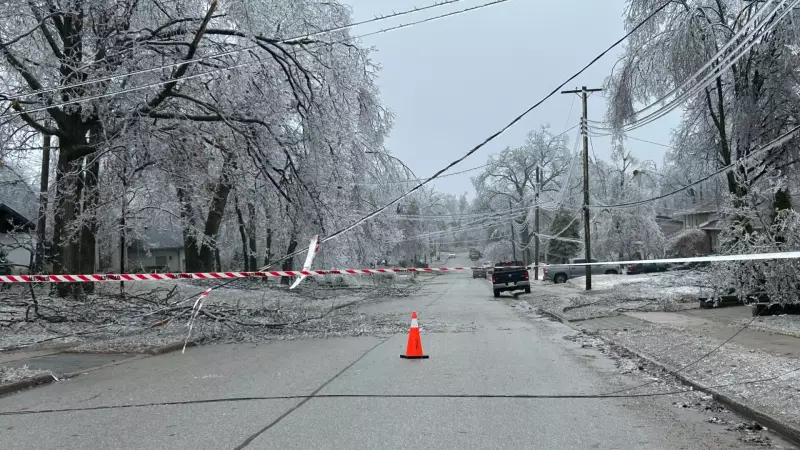
The city of Barrie was plunged into chaos on Sunday, March 30, 2025, when a powerful ice storm swept through the region. The event caused widespread damage, leading to downed tree branches, numerous road closures, and extended power outages for residents. The severity of the storm disrupted daily life and required a significant coordinated response from emergency services and utility crews to restore order and essential services.
Wildfires Continue to Shape Canada's Climate Narrative
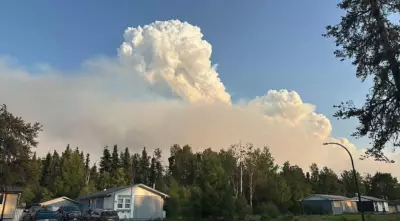
Alongside the acute local disaster in Barrie, Environment Canada highlighted the national scale of the 2025 wildfire season. While the summary does not specify locations, it places these fires among the year's top events, indicating another challenging season for many provinces. This follows a pattern of intense wildfire activity in recent years, raising ongoing concerns about forest management, community safety, and the broader implications of a changing climate.

Broader Context of a Nation Facing Extreme Weather
The inclusion of these two events in Environment Canada's annual list points to the diverse and severe weather challenges facing the nation. From the sudden, localized havoc of an ice storm to the prolonged, smoky menace of continental wildfires, Canadian communities are grappling with a wide spectrum of climate-related threats. These events have tangible consequences for public safety, economic stability, and environmental health.
Experts consistently link the increasing frequency and intensity of such events to broader global climate patterns. The Barrie ice storm of March 2025 serves as a stark reminder of the destructive potential of winter weather, while the prominence of wildfires highlights the extended risks posed during warmer months. Together, they form a compelling part of the national conversation on resilience, adaptation, and mitigation strategies for the future.