University of Saskatchewan Webinar Addresses Food Security and Corporate Consolidation
A free webinar hosted by the University of Saskatchewan is set to shed light on critical issues surrounding food security in Canada, with a particular focus on the impact of corporate monopolies and practical local solutions in Saskatoon. The event, titled "Food is Too Expensive!", aims to provide insights into the escalating cost of groceries and empower communities to take action.
Soaring Grocery Costs and Market Concentration
Recent data reveals a stark reality for Canadian families. The average household of four has experienced an annual increase in grocery expenses of $4,400 since 2019, with projections indicating an additional rise of $1,000 this year. Brooke Coller, a horticulture outreach specialist at the University of Saskatchewan and a key participant in the webinar, attributes much of this financial strain to the consolidation within the retail market.
"Because of that retail market consolidation, the top four grocery chains control 72 per cent of the Canadian market," Coller explains. This concentration of power among fewer corporations in processing, exporting, and retail has created a monopolized system, granting these entities significant control over food pricing. The consequences are severe, with one in four households in Canada facing food insecurity, and rates even higher among Black, Indigenous, northern, and newcomer communities.

Embracing Food Sovereignty and Local Solutions
The webinar will examine these challenges through the lens of food sovereignty, which Coller defines as "the right of people to have healthy and culturally-appropriate food, and the right to define their own food and agriculture system." This approach emphasizes creating food systems that prioritize people over profit, work in harmony with nature, and build community knowledge and skills.
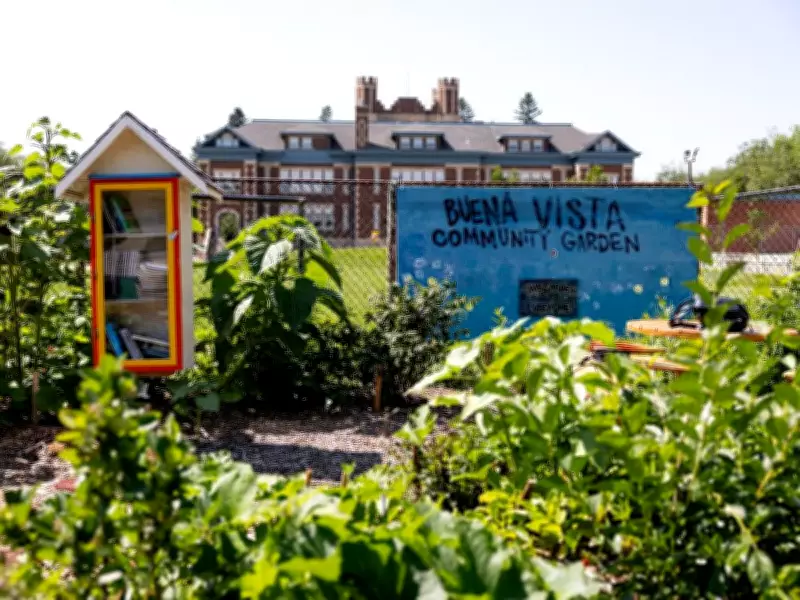
Practical strategies will be a cornerstone of the discussion. Coller highlights community gardens as an effective means to reduce food costs when implemented correctly. "I’ve had a community garden in the past, I really loved working in that and working alongside other people… so it’s important not just for food security, but also for building that community," she notes. The webinar will feature case studies from both global and Saskatchewan contexts, showcasing how communities are taking initiative.
Combating Food Waste and Student-Led Initiatives
Another critical aspect addressed is food waste, which remains a significant contributor to high food prices despite recent reductions. Karen Tanino, a professor in the Department of Plant Sciences at the University of Saskatchewan, points to innovative local efforts like the student-led initiative Giving FWRd. This program rescues food nearing its expiry date from city businesses, transforming it into meals for distribution and preventing over 135 kilograms of food from ending up in landfills.
The webinar promises to deliver not only analysis but also actionable information, helping participants learn how to grow, cook, and shop for their own food more sustainably. By fostering a deeper understanding of the interconnected issues of corporate control, rising prices, and food waste, the University of Saskatchewan aims to inspire meaningful change at both local and national levels.