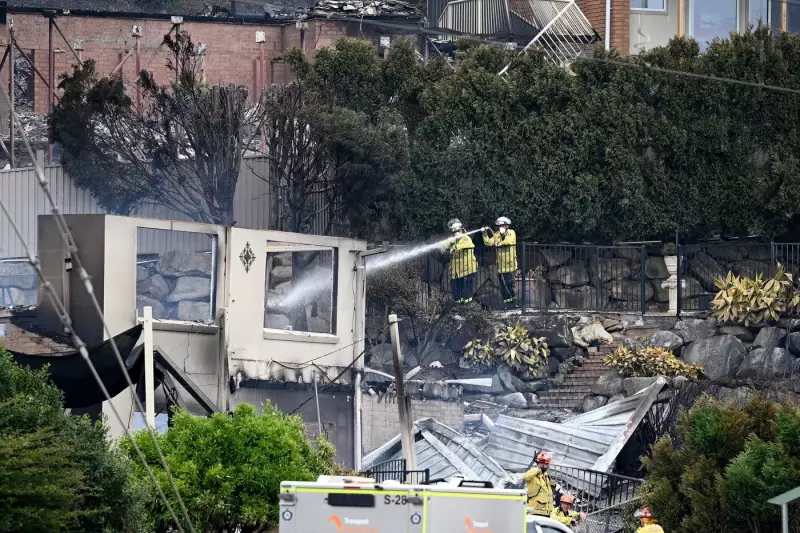
Australia is grappling with a devastating wildfire outbreak that has left a trail of destruction and claimed the life of a firefighter. The blazes, which raged on Saturday, December 6, 2025, resulted in the loss of dozens of homes in the community of Koolewong.
Destruction and Tragic Loss
The fires, fueled by challenging conditions, led to the destruction of 40 homes. The human cost of the disaster was underscored by the tragic death of a firefighter battling the inferno. The specific circumstances surrounding the firefighter's death have not been immediately released, marking a somber moment for emergency services and the nation.
In the aftermath, crews were seen meticulously ensuring no flames remained among the charred ruins of properties. A photograph from the scene by Dan Himbrechts captured firefighters working in Koolewong on that Saturday, surveying the extensive damage left in the wake of the uncontrolled blaze.

Broader Context of Climate Extremes
This severe wildfire event in Australia occurs amidst a global pattern of extreme weather phenomena. While this incident is geographically distant, it resonates with environmental concerns relevant worldwide, including discussions in Canada about climate impacts, forest management, and community resilience in the face of increasing fire risks.
The destruction in Koolewong serves as a stark reminder of the volatile and dangerous nature of bushfires, which can escalate rapidly and threaten lives, property, and ecosystems. The response involved significant firefighting resources to contain the spread and protect surrounding areas.
Looking Forward
The focus for authorities now shifts to supporting affected residents, investigating the fire's cause, and continuing mopping-up operations to prevent any reignition. The loss of a firefighter will undoubtedly lead to reviews of safety protocols for crews facing increasingly intense fire seasons.
Events like these underscore the critical importance of international awareness and preparedness for natural disasters, which are becoming more frequent and severe due to changing climatic conditions.