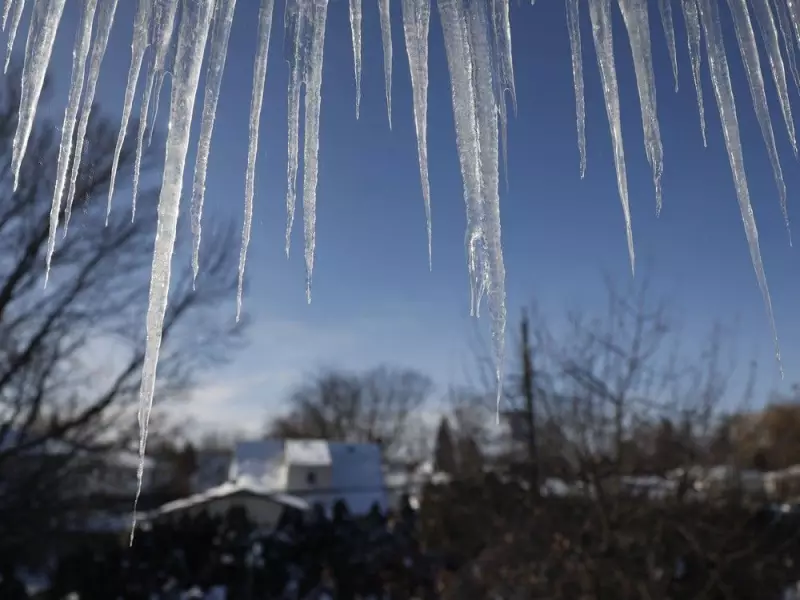
Ottawa Endures Second Consecutive Day of Dangerous Arctic Cold
The nation's capital remains firmly in the grip of a severe Arctic cold front as it enters its second full day, with Environment Canada frostbite warnings still active across the region. Residents are facing some of the most frigid conditions of the season, prompting urgent public health advisories.
Extreme Temperatures and Biting Wind Chills
Saturday's forecast calls for a high of only -20°C, but the real danger comes from the wind. With gusts reaching up to 15 km/h, wind chill values are expected to create a "feels like" temperature of -39°C in the morning hours. While conditions may moderate slightly in the afternoon, the perceived temperature will still hover around a bitterly cold -27°C.
The situation becomes even more severe overnight, with temperatures expected to plummet to a low of -29°C. Combined with persistent winds, wind chill readings could again dip as low as -39°C, creating potentially dangerous conditions for anyone spending extended time outdoors.

Public Health Guidance and Warming Resources
Ottawa Public Health has activated its cold weather response, urging residents to consult their dedicated "cold weather" webpage for critical safety information. The resource includes:
- Essential do's and don'ts for extreme cold exposure
- An interactive map showing designated warm-up sites throughout the city
- Guidance on recognizing and preventing frostbite and hypothermia
Officials emphasize that these conditions pose significant health risks, particularly for vulnerable populations including seniors, children, and those experiencing homelessness.
Extended Forecast and Weather Patterns
The cold snap shows no signs of immediate relief. Sunday is expected to bring increasing cloud cover with periods of light snow beginning in the afternoon. Winds are forecast to intensify throughout the day, creating wind chill values around -19°C.
Meteorologists indicate that temperatures are unlikely to return to seasonal norms—typically around -10°C for this time of year—until later in the week. While periods of snow flurries are expected to continue through the coming days, forecasters do not anticipate significant accumulation from these systems.
This prolonged Arctic outbreak serves as a stark reminder of Canada's winter severity, particularly in eastern regions. The combination of extreme low temperatures and biting winds creates hazardous conditions that require careful preparation and awareness from all residents.