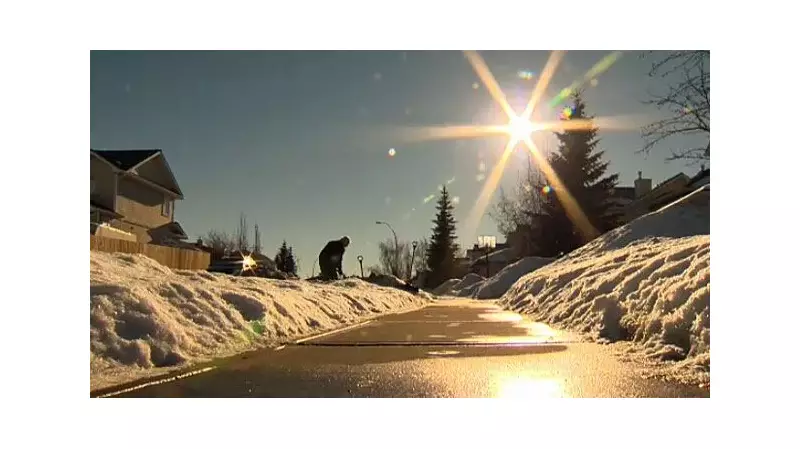
For the second time in a short period, Alberta residents faced unseasonably warm conditions as the province shattered heat records on Tuesday, January 14, 2026. The remarkable weather event was documented by CTV News Edmonton meteorologist Josh Classen, highlighting a significant deviation from typical winter norms.
Details of the Temperature Anomaly
The specific temperature records broken across the province were not detailed in the initial brief, but the occurrence marks a continuation of a worrying pattern of extreme weather events. This January heat follows a trend where historical norms are being frequently challenged, raising questions about long-term climatic shifts.
The record-setting day was confirmed by meteorological data for January 14, 2026. While many Canadians expect deep cold and snow in mid-January, parts of Alberta instead grappled with warmth more characteristic of spring. This event adds to a growing list of environmental extremes witnessed across Canada in recent years.

Context and Broader Climate Trends
This incident is not isolated. The news brief itself references a separate item noting that the previous year was the third warmest on record globally, a fact that provides crucial context for Alberta's January heat. Scientists have long warned that a warming climate increases the frequency and intensity of such anomalous weather patterns, including heat waves during traditionally cold seasons.
The record heat in Alberta stands in stark contrast to other weather events happening nationally at the same time, such as heavy snow forecast for Montreal. This juxtaposition illustrates the complex and sometimes contradictory nature of regional weather systems under the influence of broader climate change.
Implications and Looking Ahead
Such extreme and out-of-season warmth can have multiple consequences. It can disrupt ecosystems, affect agriculture and winter tourism industries reliant on snow, and increase the risk of early spring wildfires if the dry conditions persist. The event prompts renewed discussion about community adaptation and preparedness for a wider range of weather scenarios throughout the year.
While a single warm day does not confirm a trend, its occurrence as a "record-setting" event, following similar recent incidents, aligns with projections from climate researchers. Meteorologists like Josh Classen will continue to monitor these patterns closely, providing essential data to understand how local weather is responding to global changes. The January heat wave serves as a potent reminder of the evolving and unpredictable nature of Canada's climate.