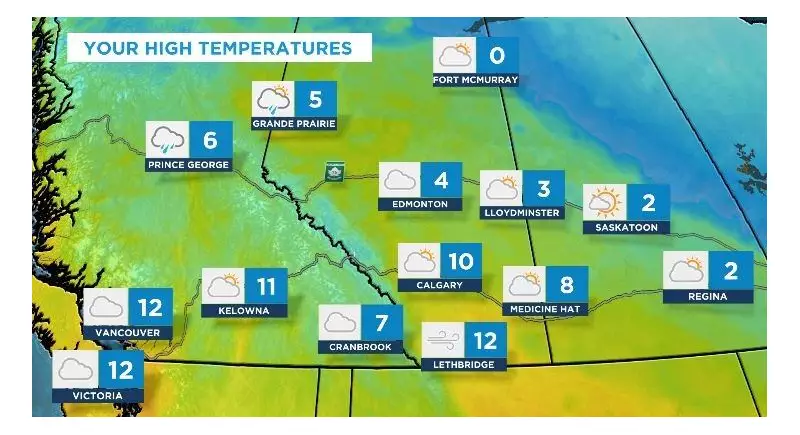
Alberta experienced a significant and unseasonable warm spell on Monday, January 13, 2026, with meteorologists confirming that more than 10 new daily high temperature records were shattered across the province. The surge in temperatures is leading to increased melting and signals a trend of warmer weather on the horizon, according to the latest forecast.
A Day of Record-Breaking Heat
The data from Environment and Climate Change Canada, analyzed by the Sky Watch Weather Centre, shows numerous communities from southern to central Alberta reporting temperatures well above historical averages for mid-January. This event marks one of the most widespread January warm spells in recent years, disrupting typical winter patterns and accelerating snowmelt in many areas.
While specific location data for all records was not detailed in the initial report, such widespread record-setting indicates the warm air mass was extensive. Meteorologist Jodi Hughes provided a detailed look at the conditions and the contributing atmospheric patterns during her forecast segment.

The Five-Day Forecast and Causes
The forecast from the Sky Watch Weather Centre indicates that the warmer-than-average conditions are not a one-day event. A persistent weather pattern is funneling mild Pacific air across the Rocky Mountains and into Alberta, leading to a prolonged period of above-seasonal temperatures.
This pattern is expected to continue for the next several days, meaning Albertans can anticipate more melting snow and ice. The forecast raises considerations for road conditions, river levels, and outdoor activities typically associated with deep winter.
Broader Context and Implications
While a single warm day in winter is not uncommon, the scale of this event—breaking over ten records simultaneously—is notable. It fits into a broader pattern of increasing climate variability and more frequent extreme weather events observed across Canada.
The immediate effects are practical: reduced heating demands, changing travel conditions, and impacts on winter sports. In the longer term, such anomalies contribute to scientific discussions about shifting seasonal norms and their environmental and economic consequences for provinces like Alberta.
Residents are advised to stay updated with local forecasts from the Sky Watch Weather Centre for the latest on temperature fluctuations, potential freeze-thaw cycles, and any weather advisories.