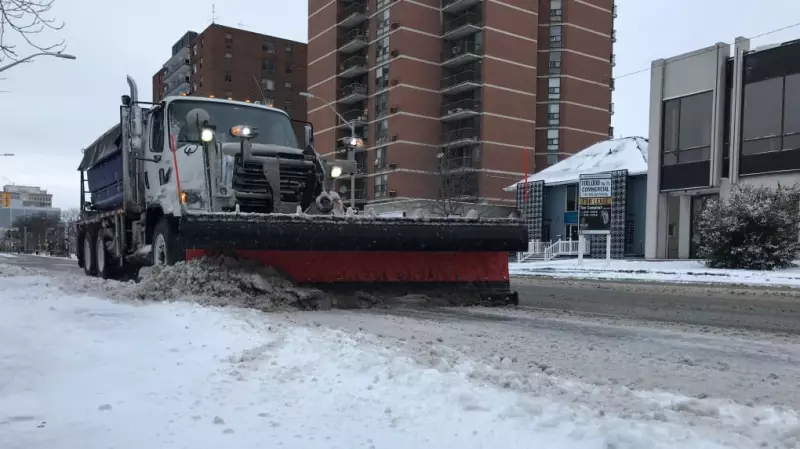
Windsor police responded to a significant number of vehicle collisions as winter weather gripped the region. Authorities reported a total of 80 weather-related crashes during the period of hazardous conditions.
Police Respond to Hazardous Road Conditions
The spike in collisions was directly attributed to snowy and icy roads that reduced visibility and traction for drivers. The Windsor Police Service has consistently warned motorists about the dangers of driving too fast for conditions during winter storms. This recent batch of incidents underscores the persistent risk that comes with the season's first major snowfall and freezing temperatures.
A Call for Increased Caution on the Roads
Local officials are reiterating standard winter driving advice in the wake of the collisions. Drivers are urged to slow down, increase their following distance, and ensure their vehicles are properly equipped for winter, including having snow tires installed. Clearing all snow and ice from windows, lights, and the roof of a vehicle before setting out is also a critical safety step that is often overlooked.

The incidents serve as a stark reminder that adapting driving habits to the conditions is not just a suggestion but a necessity for preventing accidents. Police emphasize that while road crews work diligently to plow and salt major routes, secondary streets and highways can remain treacherous for an extended period after a storm passes.
Broader Context of Winter Weather Impact
The traffic troubles in Windsor occurred amidst a wider pattern of winter disruption across parts of Canada. Other regions, including Ottawa and Toronto, were also digging out from significant snowfall, with more weather expected. These conditions often lead to school closures, travel delays, and a heightened strain on municipal services like snow removal.
The concentration of crashes in a single jurisdiction during a defined weather event provides a clear, quantifiable example of how winter storms immediately impact public safety and infrastructure. It highlights the importance of heeding weather alerts and planning extra time for travel when forecasts predict snow, ice, or freezing rain.
As the winter season continues, authorities expect to issue similar warnings. The goal remains to reduce preventable collisions and keep all road users safe until spring arrives.