A significant seismic event shook a sparsely populated region along the international border between Alaska and Canada on Saturday, December 6, 2025. The United States Geological Survey (USGS) reported a magnitude-7.0 earthquake striking in a remote wilderness area.
Details of the Seismic Event
The powerful tremor occurred in the afternoon, with the precise timing recorded at 5:50 PM Eastern Standard Time. The epicenter was located in an extremely isolated area, far from major population centers. Initial data indicates the quake was relatively shallow, which can often amplify shaking at the surface, though its remote location likely limited its impact on human infrastructure.
Seismology stations across both Alaska and northwestern Canada detected the substantial release of energy. The region is part of the seismically active Pacific Ring of Fire, where tectonic plate interactions frequently cause earthquakes. Events of this magnitude are notable but not uncommon in this geologically dynamic zone.

Initial Reports and Potential Impacts
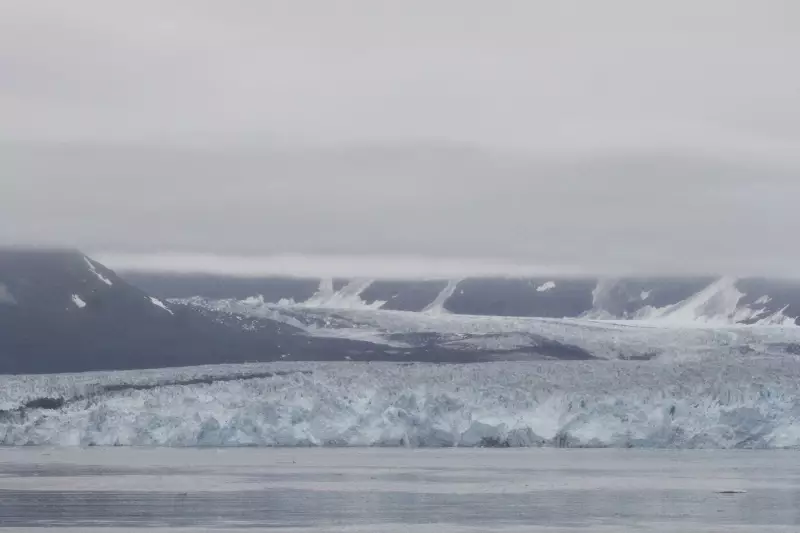
Due to the earthquake's location in a vast wilderness, there were no immediate reports of damage or injuries. The area near the epicenter is characterized by rugged terrain, glaciers, and minimal human habitation. The Hubbard Glacier region, a popular tourist destination for cruise ships located several hundred kilometers to the southeast, was not reported to be directly affected.
Authorities in both countries are monitoring the situation. No tsunami warnings were issued by the National Tsunami Warning Center or the Canadian counterpart, as the quake occurred on land. However, strong shaking may have been felt in very small, remote communities and by individuals engaged in outdoor activities in the surrounding backcountry.
Geological Context and Future Monitoring
This earthquake serves as a reminder of the potent geological forces shaping the landscape along the Alaska-Canada border. Scientists continuously monitor the complex fault systems in the area, which result from the subduction of the Pacific Plate beneath the North American Plate.
While this event appears to have passed without causing harm, seismologists will analyze the aftershock sequence, which is expected. Data gathered will contribute to a better understanding of regional seismic hazards. Residents in more populated areas of southern Yukon, northern British Columbia, and southeastern Alaska might have felt light trembling, though significant structural damage in cities is highly unlikely due to the great distance.
Emergency management officials emphasize that such events underscore the importance of earthquake preparedness for all communities in seismically active regions, regardless of how remote an initial rupture may be.