An extraordinary and unseasonable warmth has settled over British Columbia, with data confirming that 27 communities across the province experienced their warmest December 15th on record. The remarkable weather event underscores a broader pattern of climatic shifts affecting the region.
Unprecedented December Heat
Meteorologists and climate observers were stunned as temperature readings soared well above historical averages for mid-December. This was not an isolated incident in a single town but a widespread phenomenon impacting dozens of locations from the coast to the interior. The records, which span decades of weather tracking, were decisively broken, highlighting the intensity of this warm spell.
The data points to a significant deviation from typical seasonal patterns. While British Columbia is known for its mild coastal winters, the scale and scope of this warmth in mid-December are exceptional. The event adds to a growing list of weather anomalies recorded in recent years across Canada.

Context and Climate Connections
This record-breaking warmth did not occur in a vacuum. It follows a pattern of increasingly volatile and extreme weather events linked to broader global climate change. Scientists have long warned that a warming planet will lead to more frequent and intense temperature extremes, including warmer winter periods in certain regions.
The situation in B.C. echoes concerns raised by environmental researchers about the accelerating pace of change in Canadian climates. From earlier spring thaws to warmer fall and winter periods, the historical data is being consistently rewritten. This specific event on December 15, 2025, serves as a stark, data-driven example of this ongoing transformation.
Broader Implications for the Province
While a warm day in December may seem pleasant to some, it carries complex implications. Unseasonable warmth can disrupt local ecosystems, affect wildlife hibernation patterns, and impact winter-dependent industries like skiing and snow tourism. It also raises concerns about water supply, as winter snowpack acts as a crucial natural reservoir for spring and summer meltwater.
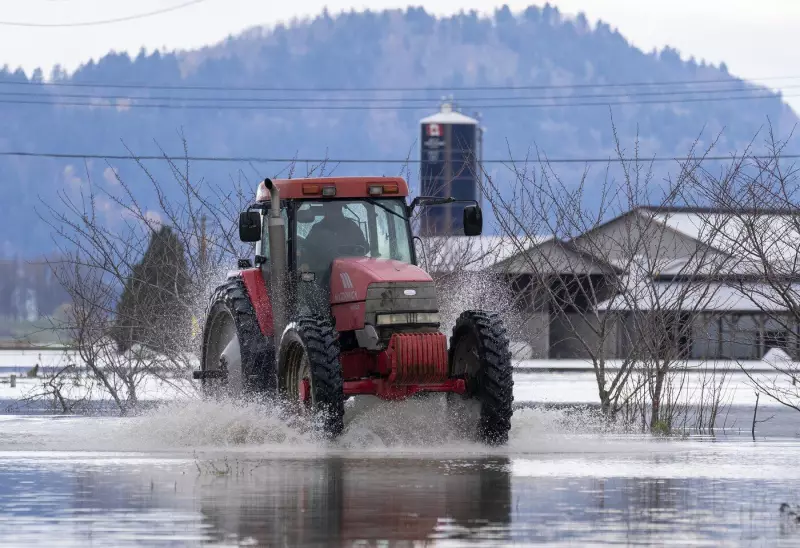
The event prompts renewed discussion about community preparedness and infrastructure resilience in the face of a changing climate. The contrast between this record warmth and other extreme weather events, such as the atmospheric rivers and flooding that have recently battered parts of the province, illustrates the wide and challenging spectrum of new climate realities that British Columbians must navigate.
As the province moves forward, this record-setting day will likely be analyzed by climatologists as a key data point in understanding the evolving nature of Canada's western climate. It stands as a clear reminder of the tangible and immediate effects of global environmental shifts close to home.