New prehistoric cave discoveries are providing compelling evidence that Neanderthals and early humans may have shared cultural practices, challenging long-held views of Neanderthals as a separate and inferior species. The findings, reported by CNN, suggest a more complex and interconnected prehistoric world.
Cave Art and Symbolic Objects
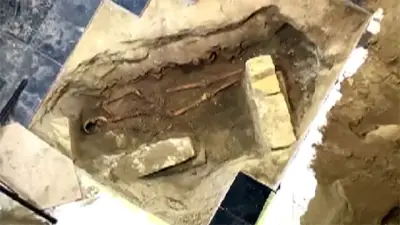
Researchers have uncovered cave art and symbolic objects in several European caves that bear striking similarities to those created by early Homo sapiens. These include hand stencils, geometric patterns, and carved bones, some dating back over 60,000 years—predating the arrival of modern humans in Europe. According to the study, the presence of such artifacts suggests that Neanderthals were capable of symbolic thought and cultural expression, traits once considered unique to modern humans.
Implications for Human Evolution
The discoveries indicate that Neanderthals and humans likely interacted and exchanged ideas, leading to a shared cultural development. Dr. Emma Blake, an anthropologist at the University of Cambridge, said, "These findings force us to rethink the cognitive abilities of Neanderthals and the nature of our interactions with them. It appears that cultural exchange was more common than previously assumed." The evidence includes similar styles of cave art found in France and Spain, as well as the use of personal ornaments like pierced animal teeth and shells.

Reevaluating Neanderthal Capabilities
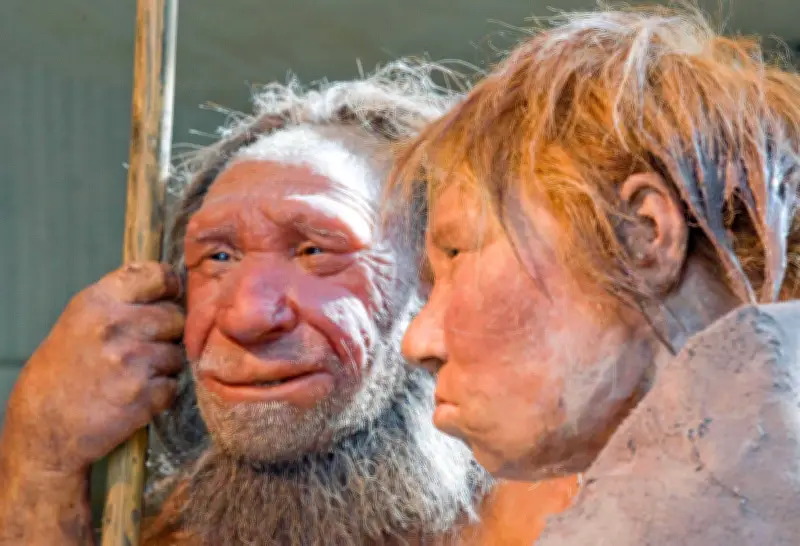
Previously, Neanderthals were often depicted as brutish and cognitively inferior to modern humans. However, these cave discoveries add to a growing body of evidence that they were sophisticated beings. Genetic studies have already shown that interbreeding occurred between Neanderthals and humans, and now cultural parallels suggest a deeper connection. The research team, led by Dr. Jean-Marc Chauvet, noted that the symbolic objects found are "indistinguishable" from those made by early humans in the same regions.
Broader Impact on Archaeology
The findings have significant implications for the study of human evolution. They suggest that cultural traits may have spread through social networks rather than solely through population replacement. This challenges the traditional narrative of human superiority and highlights the complexity of prehistoric societies. As more caves are explored, experts anticipate further evidence of shared culture, potentially rewriting the history of our ancient ancestors.