British Columbia's snowpacks are measuring far below normal levels as the province heads into wildfire season, according to recent data. The low snowpack readings raise concerns about drought conditions and increased fire risk across the region.
Below-Normal Snowpack Measurements
Provincial officials reported that snowpack levels across B.C. are significantly lower than the historical average for this time of year. Some areas are recording snowpack depths that are only a fraction of what is typically expected. This deficit could lead to reduced water availability during the summer months and create drier conditions that are conducive to wildfires.
Implications for Wildfire Season
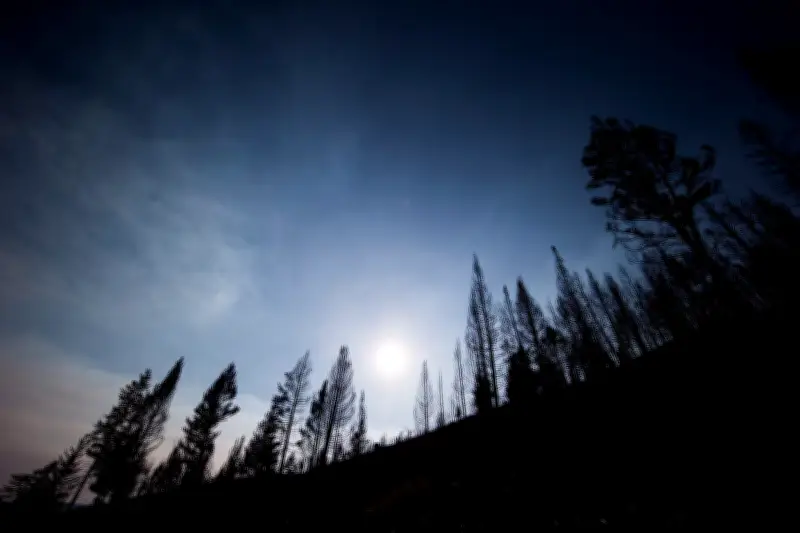
The low snowpack is a critical factor in wildfire forecasting. With less snowmelt to saturate the ground and replenish moisture levels, forests and grasslands are likely to be drier than usual. This increases the flammability of vegetation and can lead to more intense and fast-spreading fires. Fire officials are already preparing for a potentially challenging season.

Broader Environmental Impact
Beyond fire risk, the snowpack deficit affects water supplies for communities, agriculture, and ecosystems. Rivers and streams that rely on snowmelt may experience lower flows, impacting fish habitats and irrigation. The situation underscores the growing influence of climate change on the province's hydrology.
As summer approaches, authorities urge residents to take precautions, such as creating defensible space around properties and adhering to fire bans. The province is also monitoring weather patterns closely to anticipate any shifts that could alleviate or worsen the conditions.