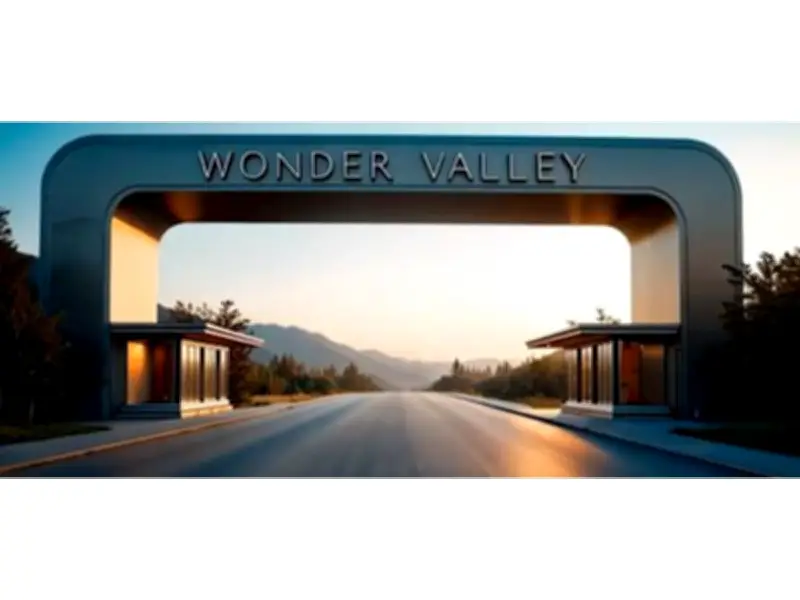
Concerns over water use, environmental oversight and public consultation continue to grow around the proposed Wonder Valley AI data centre, with residents, Indigenous leaders and agricultural advocates saying they left a recent public engagement session with more questions than answers.
Public engagement format criticized
More than a year after the project was first announced, Wonder Valley hosted a public engagement event on June 4 at the Grovedale Community Hall, about 34 kilometres from the proposed Greenview Industrial Gateway development. Casey Klein, a community organizer and labour relations student who attended the event, said the format made it difficult to get meaningful answers.
“I called them talking brochures,” Klein said. Instead of a formal town hall, attendees circulated among display booths staffed by representatives who largely collected contact information and promised follow-up responses.

Indigenous concerns
Sturgeon Lake Cree Nation Coun. Shannon Chowace attended the event to determine whether the company would provide different information than it had previously shared with chief and council. After visiting each display, he said he found few people able to answer technical questions about the project.
“I thought that this was gonna be a town hall, and it’s not. So, again, they’re doing the minimal on this engagement.”
Chowace said Sturgeon Lake Cree Nation was not consulted before the project was announced, despite the development being proposed on what he described as the Nation’s traditional territory. He also expressed concern about the cumulative impacts of the project’s proposed water withdrawals from the Peace watershed.
According to Chowace, the concern is not simply the initial diversion of approximately six million cubic metres of water, but the long-term effects over the project’s expected lifespan of more than a decade. He said the cumulative effects on water levels, agriculture and municipal water supplies remain unknown.
Chowace also criticized the provincial government’s decision to exempt the project from a provincial environmental impact assessment, saying recent legislative changes accelerated the approval process without providing sufficient transparency.
Agriculture concerns
Heather Kerschbaumer, whose family has operated Golden Acre Seeds since 1982, said any reduction in water levels within the Peace watershed could have significant consequences for agriculture throughout the region. Living near the Peace River, she said her family has witnessed changes to the river over several decades.
“When her husband was a young boy they would take their buckets, use minnows and catch fish. Some were put in their farm pond, others to the table. From then to now, nobody fishes in that river, and if you do, you don’t eat the fish.”