The recent reboot of the world's largest nuclear power plant, the Kashiwazaki-Kariwa facility in Niigata Prefecture, Japan, has brought to light significant flaws in the nation's plans for handling radioactive waste. Operated by Tokyo Electric Power Company Holdings (TEPCO), the plant's Unit 6 reactor was restarted amid ongoing debates about nuclear safety and waste disposal.
Media Tour Reveals Operational Details
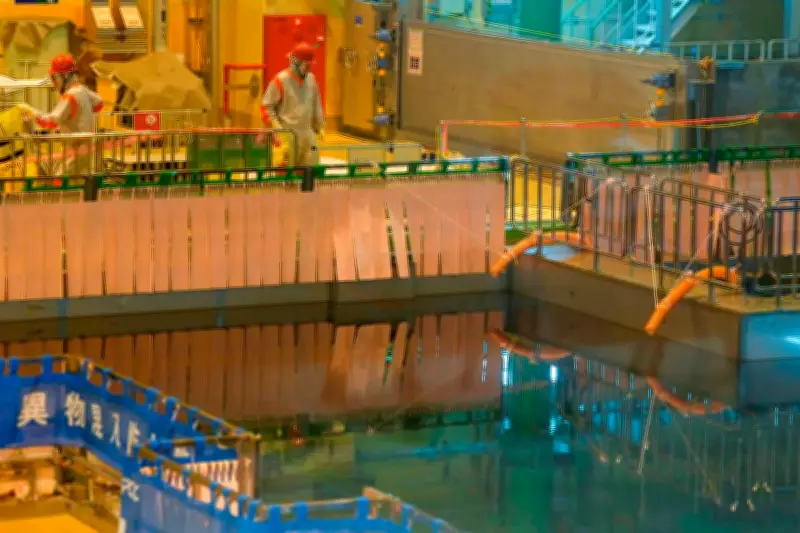
During a media tour on May 1, 2026, journalists were granted access to the operation floor inside the Unit 6 reactor building. The tour showcased the facility's readiness but also underscored the persistent challenges of managing spent nuclear fuel and other radioactive byproducts.
Criticism from Experts
Environmental groups and nuclear safety experts have criticized Japan's approach to waste storage, pointing out that the country lacks a permanent disposal site. Currently, spent fuel is stored on-site in cooling pools, a temporary measure that many consider unsustainable.

Key concerns include:
- Limited capacity for long-term storage
- Risk of accidents during fuel transfer
- Lack of public consensus on final disposal
Government Response
Japanese authorities acknowledge the need for a comprehensive waste management strategy but have yet to announce concrete plans for a permanent repository. The restart of Kashiwazaki-Kariwa, which was offline after the 2011 Fukushima disaster, is seen as a step toward reviving nuclear energy to meet carbon reduction goals.
Critics argue that proceeding without a clear waste solution is irresponsible.
The situation highlights a global dilemma: balancing clean energy demands with the long-term stewardship of radioactive materials.