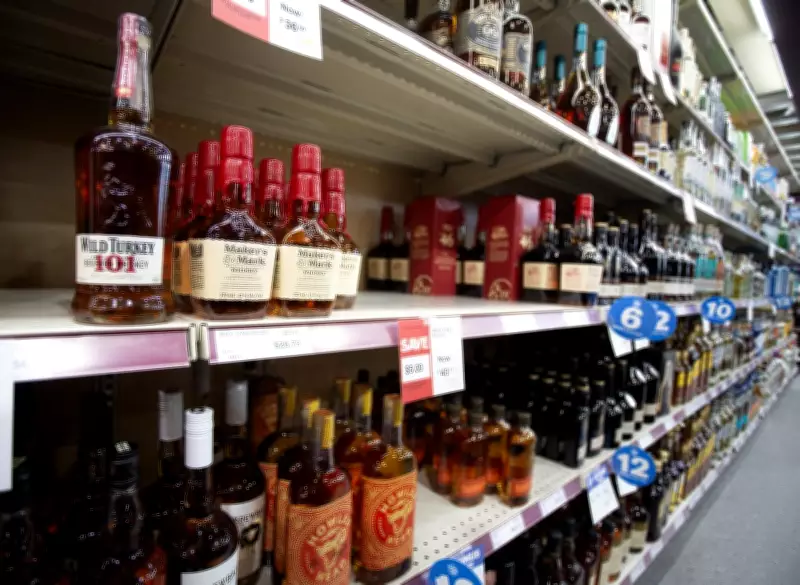
A recent Nanos Research survey conducted for CTV News reveals that a majority of Canadians still support boycotting American alcohol imports. The poll indicates sustained public backing for the measure, which was initially introduced as a response to ongoing trade disputes between Canada and the United States. According to the survey, over half of respondents expressed continued support for the boycott, highlighting persistent cross-border tensions.
Key Findings from the Nanos Poll
The survey, conducted in early May 2026, sampled a representative group of Canadian adults. Results show that 58% of respondents favor maintaining the boycott on U.S. alcohol, while 32% oppose it, and 10% remain undecided. Support is strongest in Quebec and British Columbia, where over 60% of residents back the measure. In contrast, Alberta shows the lowest support, with just 45% in favor.
Regional and Demographic Variations
Support for the boycott varies by age and political affiliation. Younger Canadians (aged 18-34) are more likely to support the boycott (65%) compared to those aged 55 and older (50%). Politically, supporters of the Liberal and New Democratic parties show strong backing, while Conservative Party supporters are more divided.

Impact on Canadian Consumers
The boycott has led to noticeable changes in consumer behavior. Many Canadians have shifted to domestic wines, beers, and spirits, with sales of Canadian alcohol products rising by 15% since the boycott began. However, some consumers express frustration over limited availability of certain imported products.
Broader Context of U.S.-Canada Relations
The boycott is part of a broader trend of strained relations between the two countries, driven by disputes over tariffs, trade policies, and diplomatic disagreements. The Nanos survey suggests that public sentiment remains a key factor in shaping government policy. Analysts note that while the boycott has symbolic significance, its economic impact is relatively modest, as Canadian alcohol imports from the U.S. account for a small fraction of total trade.
Expert Opinions
Trade experts weigh in on the implications. "The boycott reflects deep-seated public frustration with U.S. trade policies," says Dr. Emily Carter, a political science professor at the University of Toronto. "However, it also risks escalating tensions further." Others argue that the boycott empowers Canadian consumers to support local industries.
Looking Ahead
As the situation evolves, the Canadian government continues to monitor public opinion. The Nanos survey indicates that the boycott is likely to persist unless significant progress is made in resolving trade disputes. For now, Canadians remain steadfast in their stance, sending a clear message to their southern neighbor.