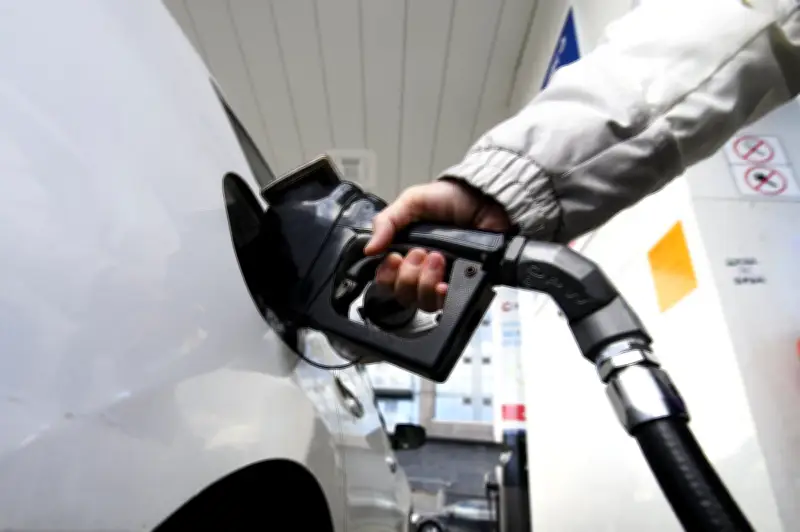
Gas prices in the Greater Toronto Area are expected to rise following U.S. President Donald Trump's declaration that the ceasefire with Iran is 'over', according to industry analysts. The announcement, made on July 8, 2026, has reignited concerns over potential disruptions to global oil supplies, which could drive up fuel costs for Canadian drivers.
Trump's declaration and market reaction
President Trump stated that the ceasefire agreement with Iran, which had been in place since earlier this year, is no longer in effect. The decision came after rising tensions between the two nations, with Trump accusing Iran of violating the terms of the ceasefire. The announcement sent shockwaves through global energy markets, with crude oil prices spiking by more than 3% in early trading.
According to Dan McTeague, a petroleum analyst at GasBuddy, the GTA could see gasoline prices increase by 5 to 10 cents per litre in the coming days. 'The situation in Iran is a major wildcard for oil markets,' McTeague said. 'Any disruption in the Strait of Hormuz, through which about 20% of the world's oil passes, could lead to significant price hikes at the pump.'

Impact on Canadian consumers
Canadian motorists, already grappling with high inflation and cost-of-living pressures, may face additional financial strain. The average price of regular gasoline in the GTA was approximately $1.45 per litre before the announcement, but analysts warn it could climb to $1.55 or higher if tensions escalate further.
The potential price increase comes at a time when many Canadians are planning summer road trips, adding to the economic burden. 'This is not just about gas prices; it affects everything from transportation costs to the price of goods,' said Shachi Kurl, president of the Angus Reid Institute. 'Consumers are already feeling squeezed, and this could be another blow.'
Broader geopolitical implications
The collapse of the ceasefire marks a significant setback for diplomatic efforts in the Middle East. Iran has threatened to block the Strait of Hormuz in response to any military action, a move that could disrupt oil shipments from major producers like Saudi Arabia, Iraq, and the United Arab Emirates. The White House has not ruled out further sanctions or military intervention, raising the stakes for global energy security.
Canada, as a net oil exporter, may see some benefits from higher crude prices, but the impact on consumers is likely to outweigh any gains for the energy sector. 'Higher oil prices are a double-edged sword,' McTeague noted. 'While they boost revenues for oil-producing provinces like Alberta, they hurt consumers across the country, especially in regions like Ontario that rely on imported oil.'
What to expect in the coming days
Gas prices in the GTA are expected to adjust upward as early as July 9, with further increases possible if the situation deteriorates. Drivers are advised to fill up their tanks soon to avoid higher costs. The federal government has not announced any measures to mitigate the impact, but officials are monitoring the situation closely.
In the meantime, experts recommend that consumers consider fuel-efficient driving habits and explore alternative transportation options to reduce their exposure to rising gas prices. The uncertainty surrounding the Iran ceasefire is likely to keep markets volatile for the foreseeable future.