A decade after the landmark Standing Rock protests, a contentious segment of the Dakota Access oil pipeline has received regulatory approval, reigniting debate over indigenous rights and environmental concerns. The Canadian Press reported on May 21, 2026, that the approval marks a significant milestone in the pipeline's history, which has been mired in legal battles and public outcry.
Background of the Pipeline
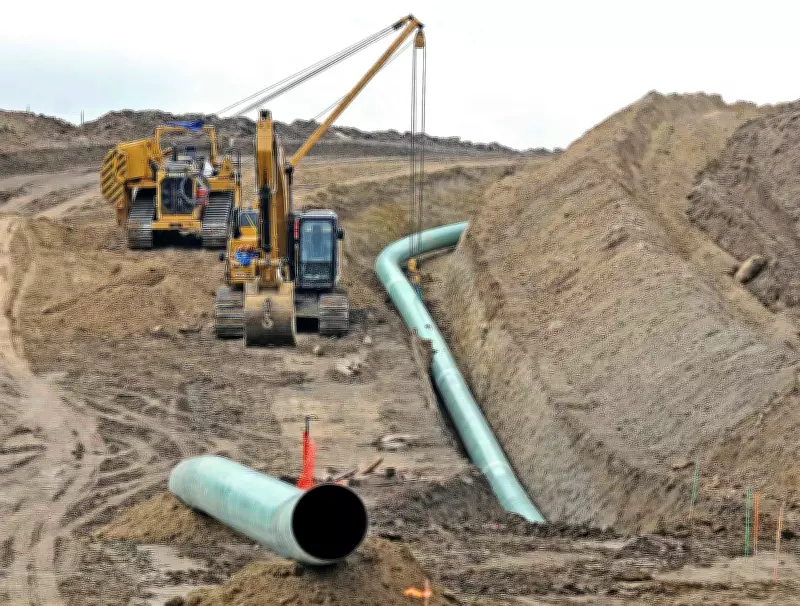
The Dakota Access Pipeline, spanning approximately 1,172 miles, transports crude oil from the Bakken shale formation in North Dakota to Illinois. The segment in question, which crosses near the Standing Rock Sioux Tribe's reservation, has been a flashpoint for protests since 2016. Demonstrators argued that the pipeline threatened water sources and sacred sites.
Regulatory Approval
The U.S. Army Corps of Engineers granted the easement for the final segment, completing the pipeline's construction. Officials cited energy security and economic benefits as key factors. However, the decision has drawn sharp criticism from environmental groups and tribal nations.

Standing Rock Sioux Chairman Mike Faith expressed disappointment, stating, "Our fight is not over. We will continue to defend our water and our rights." The tribe plans to pursue legal action to challenge the approval.
Environmental and Legal Implications
Environmental advocates warn that the pipeline poses risks of oil spills, which could contaminate the Missouri River. A 2024 study by the Environmental Protection Agency highlighted potential vulnerabilities in the pipeline's design. Legal experts anticipate a protracted court battle, similar to previous challenges that delayed the project.
Economic Considerations
Proponents argue that the pipeline boosts local economies and reduces dependence on foreign oil. The U.S. Department of Energy estimates it could create thousands of jobs. However, critics question the long-term viability of fossil fuel infrastructure amid the global transition to renewable energy.
In related news, the Canadian military announced the closure of an Arctic naval facility, while Alberta Premier Smith is set to address separation referendum talks. These developments underscore the complex interplay of energy policy and regional politics.