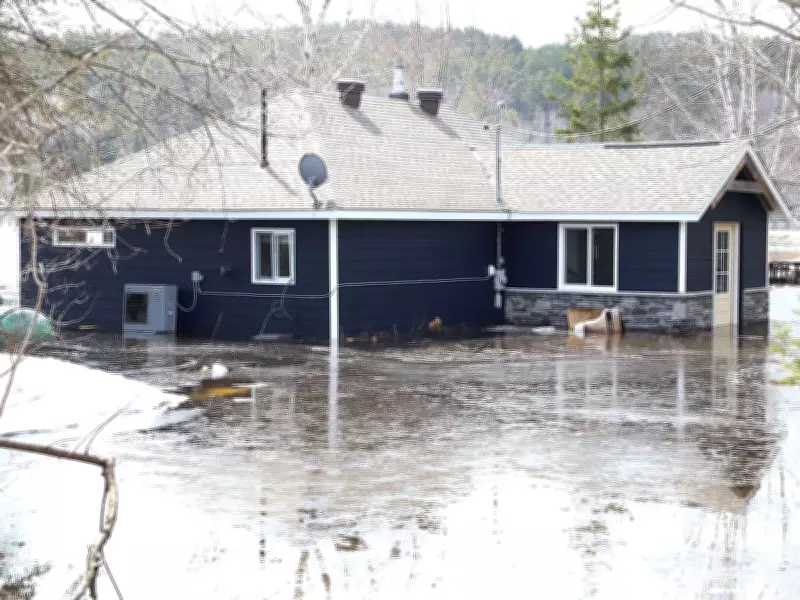
Canadians are falling behind in protecting their homes from climate-related weather events, a new survey from Desjardins Group reveals. Less than 40% of homeowners have taken any steps to safeguard their properties, and only 38% plan to do so in the next five years, primarily due to the high costs of retrofitting.
Lack of Awareness of Government Programs
The survey highlights a significant gap in awareness. Many Canadians are unaware of existing government programs designed to offset the costs of home weather protection. For instance, the City of Toronto recently began offering homeowners up to $6,650 in subsidies for flood protection measures, including sump pump installation, backwater valves, and home plumbing assessments. Similarly, the Canada Greener Homes Initiative provides grants up to $5,000 and interest-free loans up to $40,000 for weather resiliency upgrades like basement waterproofing and roofing membranes.
Financial Incentives Could Drive Action
The Desjardins survey found that 82% of respondents said financial incentives would influence their decision to protect their homes. Two-thirds indicated they would be willing to take action if costs ranged between $1,000 and $5,000. Valérie Lavoie, president of Desjardins General Insurance Group, emphasized the need for greater awareness: “There is an opportunity to raise more awareness and better support Canadians to give them greater peace of mind about protecting their homes.”

Mental Health Impact of Climate Risks
The threat of climate disasters is also taking a toll on mental health. 40% of respondents said climate change is negatively affecting their mental well-being. The report noted that “the rise in climate-related stress underscores uncertainty about the future of extreme weather events and the relationship between protecting property and maintaining financial stability and peace of mind.”
Rising Costs of Climate Disasters
Canada has experienced worsening climate disasters in recent years. Insured losses from weather events reached $2.4 billion in 2025, marking the 10th-worst year on record, according to the Insurance Bureau of Canada (IBC). Over the past decade, insured losses totaled $37 billion, nearly triple the amount from the previous decade. IBC chief executive Celyeste Power stated, “As Canada embarks on a historic housing plan, investing in community and household resilience is significantly more cost-effective than paying to rebuild following every disaster.”
The IBC is urging Canadians and governments to invest in flood protection, update building codes, and protect communities most at risk from wildfires. With climate risks escalating, proactive measures and financial support are critical to enhancing home resilience and reducing future losses.