Ontario's ambition to become a major hub for electric vehicle (EV) and battery production is facing another setback after Honda reportedly decided to halt plans for new EV and battery manufacturing plants at its existing campus in Alliston.
As first reported Wednesday, it's the latest in a growing list of automakers rethinking commitments to build EVs and batteries in Ontario. But even if the province's EV ambitions are faltering, Economic Development Minister Vic Fedeli insisted the Ford government still has 'faith' in Ontario's auto sector.
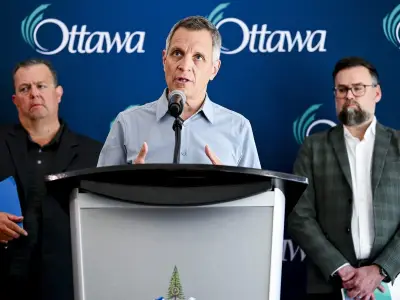
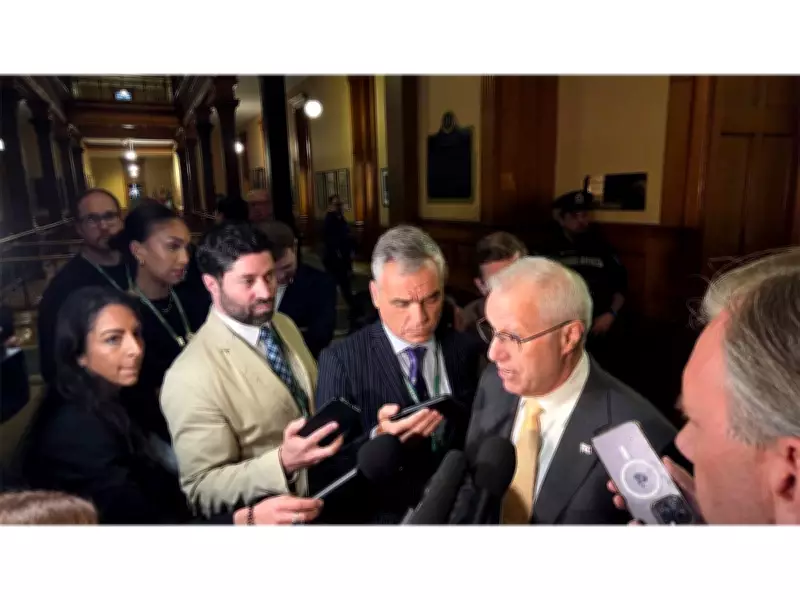
Fedeli told reporters Wednesday the government 'understands the pauses these companies are taking.'

'We are flexible. As long as they are making automobiles here in Ontario and hiring Ontario workers, we are not particular about what it is that they make,' he said.
News of Honda's apparent move was first reported by Asian business publication Nikkei, but Honda Canada has not confirmed the report, telling Postmedia: 'We have nothing to report at this time.'
Still, the report sent shockwaves through Queen's Park.
'We were surprised by it, and we are disappointed,' said Brian Saunders, Alliston's MPP and parliamentary assistant to the economic development minister. 'Honda (still) has two huge plants there ... so we are looking forward to continuing to work with Honda to make sure their operations go smoothly.'
Fedeli said Honda has assured the province its existing manufacturing operations are 'here to stay' and that Ontario's auto sector continues to show 'resilience in the face of global uncertainty.'
'Look at General Motors: Just a couple of weeks ago, a $691-million investment to build the next generation of V8 engines in St. Catharines. Toyota, a $1.1-billion investment in January to build the new RAV4 hybrid right here in Ontario. Stellantis brought back a third shift, 1,700 jobs in Windsor. That's the first time since 2020 they've had a third shift. Ford is making a multibillion-dollar investment in Oakville that will open later this year,' Fedeli said.
When Honda announced the new Alliston plants in 2024, Ontario promised up to $2.5 billion in 'various direct and indirect incentives.' It was one of several similar deals struck with automakers around that time to help create an Ontario-based EV industry.
Fedeli said 'there's no money that has been released to Honda whatsoever.'
'When there's no construction and no jobs, then there are no dollars to flow,' he said, adding deals with other automakers are structured the same way. 'That is our standard operating procedure.'
But automakers have been backing away from those deals amid tariffs and policy changes from the United States, particularly the repeal of tax breaks on American EV sales that many companies were counting on to drive adoption.
In February, the Canadian government announced that it was no longer going to require that all new cars sold by 2035 be zero-emission vehicles. Instead, Ottawa pivoted to a new set of emission standards meant to encourage automakers to produce more electric vehicles or efficient-combustion engine vehicles over time without making it mandatory.