Conquering the Cold: Electric Vehicle Ownership in Saskatchewan's Harsh Winters
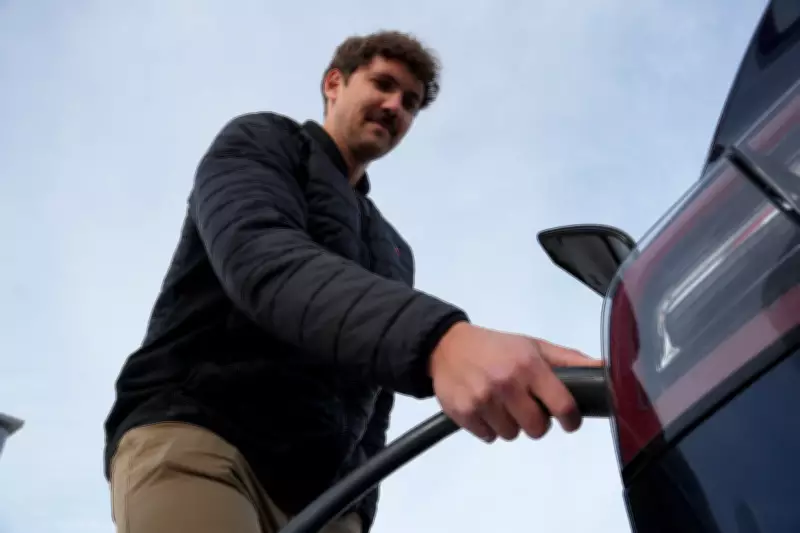
As temperatures plummet across the Canadian Prairies, electric vehicle (EV) owners face unique challenges. In Saskatoon, where winter conditions can be particularly severe, engineer and EV enthusiast Tyler Krause provides a firsthand account of what it's like to drive electric through the province's coldest months.
The Reality of EV Performance in Extreme Cold
Krause, who owns a Tesla, acknowledges that battery performance does decrease significantly in freezing temperatures. "Range anxiety becomes more pronounced when the mercury drops below -20°C," he explains. "You need to plan your trips more carefully and understand that your vehicle's displayed range might not reflect real-world winter conditions."
This phenomenon affects all EVs, not just Teslas. The chemical reactions within lithium-ion batteries slow down in cold weather, reducing their efficiency and overall capacity. Additionally, heating the cabin consumes substantial energy, further diminishing the distance an EV can travel on a single charge.

Practical Solutions for Winter EV Operation
Despite these challenges, Krause emphasizes that modern EVs are equipped with features to mitigate cold weather impacts. Many models, including his Tesla, offer:
- Preconditioning capabilities that allow owners to warm the battery and cabin while still plugged in
- Efficient heat pump systems that use less energy than traditional resistive heating
- Battery thermal management systems that maintain optimal operating temperatures
"The key is planning," Krause advises. "I always precondition my vehicle before leaving home or work, and I'm mindful of keeping the charge level above 20% during extreme cold snaps."
Charging Infrastructure Considerations
Saskatchewan's charging network continues to expand, but rural areas still present challenges for long-distance winter travel. Krause notes that while urban centers like Saskatoon have adequate charging options, drivers venturing into remote regions need to plan their routes carefully.
"Public fast-charging stations are becoming more common along major highways," he observes. "But in winter, it's crucial to have backup plans and understand that charging times may increase in cold conditions."
The Environmental and Economic Equation
Despite winter challenges, Krause remains committed to electric transportation. EVs produce zero tailpipe emissions, contributing to improved air quality even in winter when temperature inversions can trap pollutants near the ground. From an economic perspective, he calculates that his electricity costs for charging remain significantly lower than equivalent gasoline expenses, even with increased winter energy consumption.
"The technology keeps improving," Krause concludes. "Battery chemistry advances, more efficient thermal systems, and expanding charging infrastructure are making EVs increasingly viable for Canadian winters. It's not without its challenges, but the benefits make it worthwhile."