British Columbia Revises Zero-Emission Vehicle Sales Mandate for 2035
In a significant policy shift, the government of British Columbia has announced a revision to its zero-emission vehicle (ZEV) sales mandate for the year 2035. The original target of requiring 100% of new light-duty vehicle sales to be zero-emission has been scaled back to 75%. This decision reflects ongoing challenges related to infrastructure development, consumer adoption rates, and industry readiness within the province's automotive sector.
Understanding the Policy Adjustment
The initial mandate, part of British Columbia's broader climate action strategy, aimed to accelerate the transition away from internal combustion engine vehicles. However, after extensive consultations with stakeholders, including automakers, charging network providers, and consumer groups, the government determined that a more gradual approach is necessary. The revised target of 75% still represents a substantial increase from current levels and maintains British Columbia's position as a leader in North American electric vehicle adoption policies.
Key factors influencing this decision include:

- Charging infrastructure gaps in rural and remote areas of the province
- Supply chain constraints affecting vehicle availability and affordability
- The need for more time to develop a skilled workforce for electric vehicle maintenance and repair
- Concerns about grid capacity to support a fully electrified vehicle fleet
Industry and Environmental Reactions
Automotive industry representatives have generally welcomed the adjustment, noting that it provides manufacturers with more realistic timelines for transitioning their product lines. However, environmental advocates have expressed disappointment, arguing that the original 100% target was crucial for meeting British Columbia's climate goals. The government has emphasized that this revision does not diminish its commitment to reducing transportation emissions, pointing to complementary measures such as investments in public transit and active transportation infrastructure.
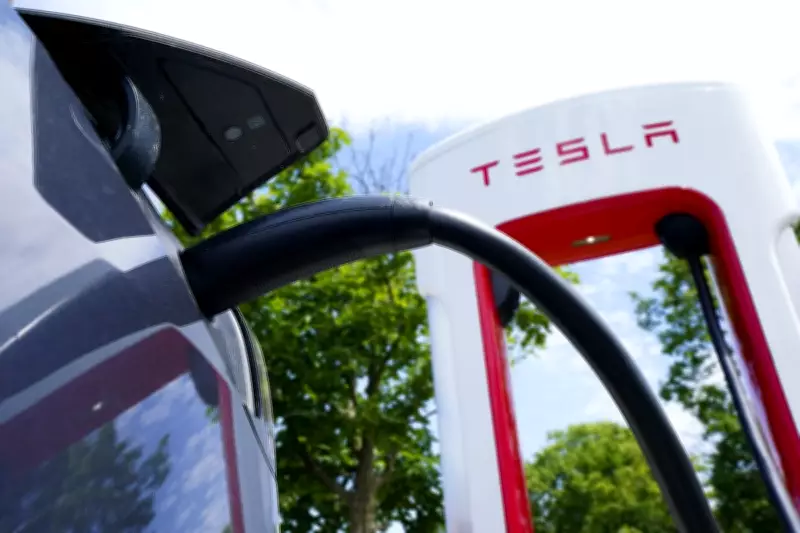
The province will continue to offer incentives for electric vehicle purchases and fund the expansion of charging networks. Officials have also indicated that the 75% target will be reviewed periodically and could be increased if market conditions improve more rapidly than anticipated.