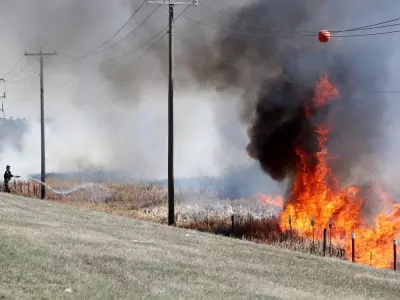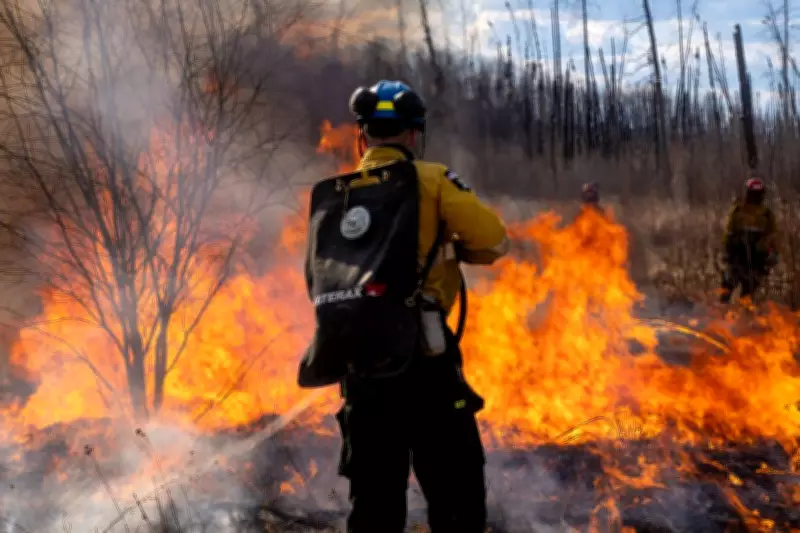
With the return of wildfire season in Alberta and Canada, it is interesting to look back on past seasons and consider the money and time being invested in increasing the number of tourists to our forests. What happens when those tourists arrive and find the air filled with smoke?
The province is purchasing more water bombers for wildfire management, but the first will not arrive for at least five years. We must make do in the interim and pray for timely rains, even as summer 2026 is predicted to be drier and hotter than normal.
Climate Trends and Forest Management
Climate experts tell us this weather trend is going to continue. Canada's forests are extensive, and it is impossible and undesirable from an ecosystem perspective to clean out all the existing forest fire fuel. We are in a war with these out-of-control wildfires and need to treat them accordingly.

Rapid Response
Time truly is of the essence in getting to a wildfire as quickly as possible after it starts. Alberta used to have a wildland firefighter rappel program called Rapattack, consisting of more than 60 elite wildfire fighters stationed around the province. They could be quickly helicoptered out while forest fires are still small and manageable. This provincial program was cancelled in 2019, saving $1.4 million. We could restart a similar, but better, program on a national and provincial level. Wildfires and their emissions are not just an Alberta issue; they are Canada-wide. In the summer of 2025, wildfires from Manitoba and northern Ontario sent smoke and pollutants across the U.S. border into New York state.
Wildfires cause billions of dollars in damage to structures, people's lives and livelihoods through evacuations, toxic air pollution and health effects. Surely we can spend more resources on early actions. We need to better support our wildfire and forest management experts. Wars are being fought with drones; perhaps we need a network of drones strategically placed with people trained to use them for fire and smoke reconnaissance. More water bombers, drones or helicopters located across Canada would cut down on response times.
Public Education and Accountability
More than 60 per cent of wildfires are caused by people, so more education is needed as well as harsher consequences for those responsible. In addition to more people visiting our forests, many are unfamiliar with campfires and how to responsibly manage them. Implement a requirement for a campfire educational certificate. This could be a national or provincially administered program. A small fee could be charged to get one and a fine levied if it cannot be produced.
Fire-Retardant Structures
For houses and other structures in areas where there is a likelihood of wildfires, building codes should require fire-retardant materials for roofs and exterior walls. This will not eliminate all wildfire damage to structures, but it will stop or slow down some of the fires caused by burning embers dropping on roofs.