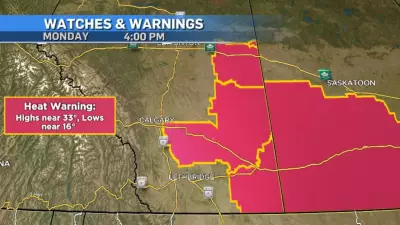
While many Albertans are enjoying a surprising taste of spring in the middle of January, a local expert cautions that the unseasonably warm weather carries significant implications for the province's insect populations and broader ecological balance.
Unusual Weather Patterns Raise Ecological Concerns
As reported on January 15, 2026, an instructor from Lethbridge Polytechnic highlighted the potential impacts of the current warm spell. The commentator, Karsen Marczuk, noted that while the pleasant conditions are a welcome break from typical winter chill, they are not without consequence for the natural world.
The core issue lies in the disruption of normal seasonal cycles. Insects, which are crucial components of the ecosystem, operate on biological clocks finely tuned to temperature and daylight. Above-seasonal temperatures in January can falsely signal an early spring, prompting premature activity.

Potential Consequences for Insect Life Cycles
This premature awakening or development can have cascading effects. Insects that emerge from dormancy too early may find a lack of their necessary food sources, such as specific plants that have not yet bloomed. This mismatch can lead to high mortality rates within those early-emerging populations.
Furthermore, the altered timing can disrupt the intricate predator-prey relationships that sustain local wildlife. Birds and other animals that rely on insects for food at specific times of year may find their larder empty when they need it most. The instructor emphasized that these shifts, while subtle, can ripple through the food web.
A Broader Look at a Warming Trend
This specific weather event in Alberta fits into a larger pattern noted by climate scientists. The phenomenon of warmer winter periods is becoming more frequent, prompting researchers to study the long-term adaptations of various species. The immediate enjoyment of mild days is thus juxtaposed with longer-term environmental questions.
The expert's analysis serves as a reminder that unusually warm weather is more than just a comfort; it is an environmental variable with real and sometimes unforeseen consequences. Monitoring these changes helps scientists and conservationists understand and potentially mitigate negative outcomes for biodiversity.
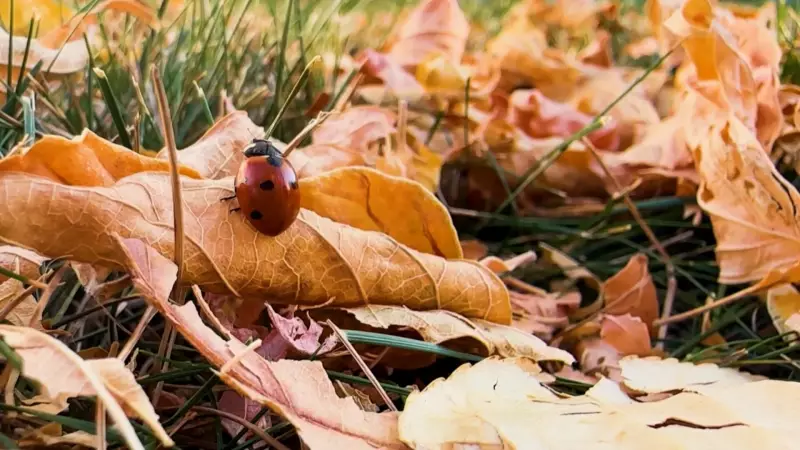
Residents observing unusual insect activity during this warm spell are witnessing a direct example of how climate and weather patterns directly influence local ecology. The full impact of this January thaw on Alberta's insect populations will become clearer as the seasons progress.