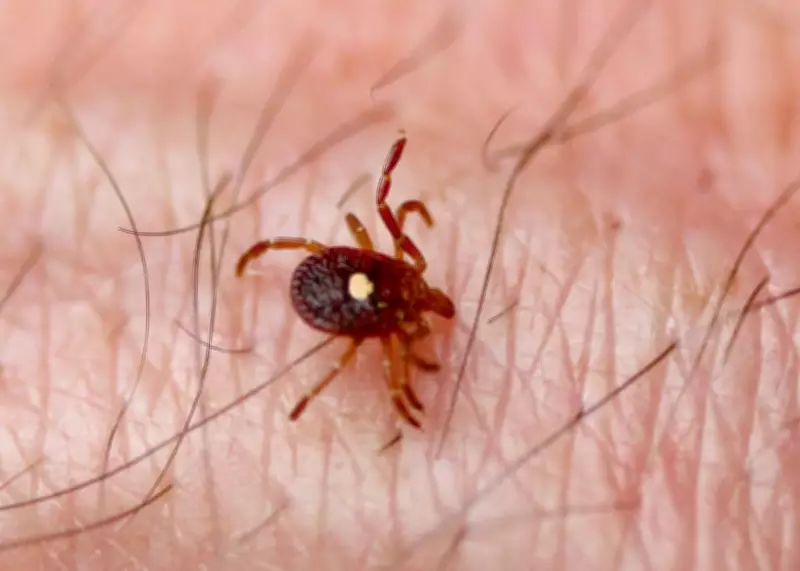
Health experts are warning Canadians that tick season has begun earlier than usual this year, potentially leading to a surge in Lyme disease and other tick-borne illnesses. The early onset is attributed to milder winter temperatures and an early spring across many parts of the country.
Why Ticks Are Emerging Early
According to entomologists and public health officials, the combination of a warmer winter and an early thaw has created ideal conditions for ticks to become active sooner. Black-legged ticks, which carry Lyme disease, are particularly sensitive to temperature changes. When the ground thaws early and temperatures rise above freezing, these arachnids emerge from their winter dormancy to seek hosts.
Dr. Sarah Mitchell, a tick-borne disease researcher at the University of Guelph, explains: “We’re seeing ticks active in April that would normally not appear until May. This extends the period of risk for humans and animals.”

Increased Risk of Lyme Disease
Lyme disease, caused by the bacterium Borrelia burgdorferi, can lead to severe symptoms if left untreated, including arthritis, neurological problems, and heart issues. Early symptoms often include a bullseye rash, fever, and fatigue. The early tick season means more opportunities for transmission.
Public Health Agency of Canada data shows that Lyme disease cases have been rising steadily over the past decade, with over 2,000 cases reported annually in recent years. Experts fear this year could see even higher numbers.
Precautions for Canadians
Health officials recommend several measures to reduce tick exposure:
- Wear long sleeves and pants when hiking or walking in wooded or grassy areas.
- Use insect repellents containing DEET or icaridin.
- Perform thorough tick checks after outdoor activities, including on pets.
- Shower within two hours of coming indoors to wash off unattached ticks.
- Remove attached ticks promptly with fine-tipped tweezers.
Dr. Mitchell emphasizes: “You have to be careful. Even if you’re just in your backyard, ticks can be present. Regular checks are crucial.”
What to Do If Bitten
If a tick is found attached, remove it carefully and monitor for symptoms. If a rash or flu-like symptoms develop within 30 days, seek medical attention. Early treatment with antibiotics is highly effective.
Canadians are urged to stay informed about local tick activity and to report any suspected Lyme disease cases to their local health authority. With the early start to tick season, vigilance is key to preventing illness.