UBC Research Highlights Earlier and Longer Summers in Canada and Beyond
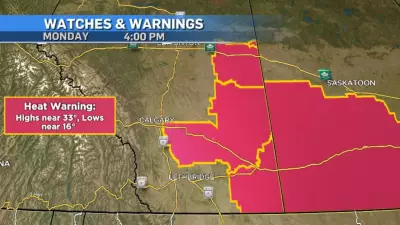
A recent study conducted by researchers at the University of British Columbia has uncovered a concerning trend: summer seasons are arriving earlier and lasting longer across Canada and in many parts of the world. This shift, driven by climate change, is reshaping seasonal patterns and posing challenges for ecosystems, agriculture, and human health.
Key Findings from the Study
The research, published in April 2026, analyzed decades of climate data to track changes in the onset and duration of summer. Scientists found that, on average, summers now begin approximately one to two weeks earlier than they did in the mid-20th century. Additionally, the season extends longer into the fall, resulting in a noticeable increase in the total number of summer days each year.
This trend is not isolated to Canada; similar patterns have been observed globally, indicating a widespread impact of rising global temperatures. The study emphasizes that these changes are consistent with projections from climate models, which predict further alterations in seasonal cycles as greenhouse gas emissions continue.

Implications for Environment and Society
The extended summer periods have profound effects on various aspects of life. For instance, longer and hotter summers can exacerbate issues such as:
- Increased wildfire risks, particularly in regions like British Columbia and the Arctic, where dry conditions become more prevalent.
- Disruptions to agricultural cycles, affecting crop yields and food security as growing seasons shift.
- Impacts on wildlife, including changes in migration patterns and habitat availability for species adapted to cooler climates.
- Health concerns, such as heat-related illnesses and the spread of vector-borne diseases in warmer temperatures.
Researchers warn that without significant reductions in carbon emissions, these trends are likely to intensify, leading to more extreme weather events and ecological imbalances. The study calls for urgent policy actions to mitigate climate change and adapt to its inevitable consequences.
Broader Context and Future Outlook
This UBC study adds to a growing body of evidence highlighting the rapid pace of climate change. It underscores the need for enhanced monitoring and forecasting tools, such as those being developed by Environment Canada using artificial intelligence for weather prediction. As summers continue to evolve, understanding these dynamics becomes crucial for planning and resilience efforts in communities nationwide.
In summary, the findings serve as a stark reminder of the ongoing environmental shifts and the importance of global cooperation in addressing climate challenges. Further research is planned to explore regional variations and long-term impacts on biodiversity and human societies.