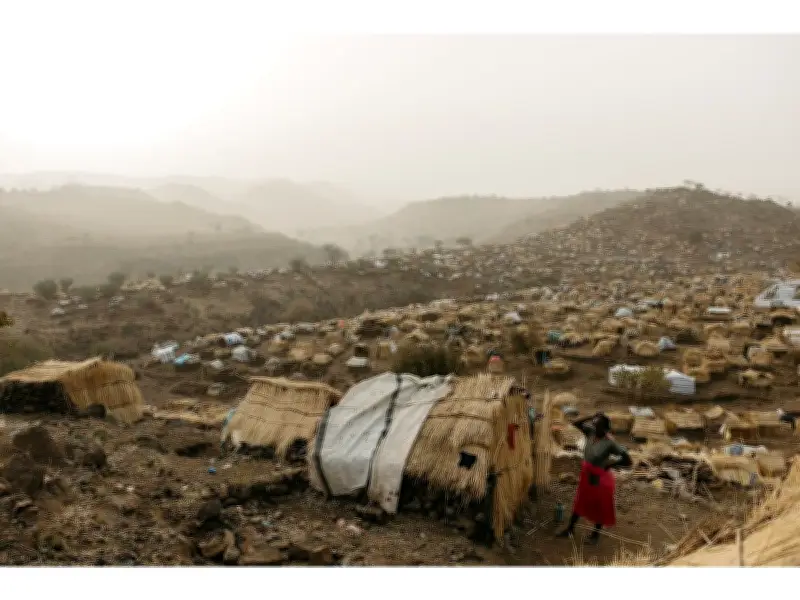
Satellite Imagery Reveals Agricultural Collapse
World Vision Canada has released new high-resolution satellite imagery showing the devastating impact of conflict on Sudan's agricultural system. The report, titled "The Hollowed Earth," reveals that nearly 40,000 square kilometers of farmland—an area roughly the size of Vancouver Island—has been degraded since fighting escalated in April 2023. This collapse is pushing children and families closer to hunger and displacement, with Canadian-made weapons continuing to fuel the conflict.
Mass Hunger and Displacement
Sudan is now facing the world's largest displacement crisis alongside a hunger emergency. According to the report, 17.3 million children are in need, with acute food insecurity gripping the nation. The conflict has forced 1.8 million children across borders and displaced more than 3.7 million inside Sudan. Agricultural collapse, broken trade routes, and market disruption have left 41 percent of the population in acute hunger, including 5.5 million people in emergency or catastrophic conditions.
Personal Stories of Suffering
For children like 11-year-old Yusuf, the crisis is not abstract. "The sky was black with smoke… we ran until we could not breathe," he recalls after his family home was shelled. When they finally reached a new location, "there is nothing but dust," echoing the stories of countless families forced into places where agriculture is no longer viable.

Damage to Key Agricultural Infrastructure
The report compares satellite "health checks" of Sudan's agricultural zones between early 2023 and 2025. The analysis shows severe damage to the Gezira Scheme—Sudan's largest irrigated farming project between the Blue and White Nile and once the backbone of the country's cotton and food production. Restrictions on access to land and water, along with sharp declines in crop yields due to disrupted fuel and fertilizer supplies, have pushed Sudan's land into systemic breakdown after years of underinvestment and more than three years of conflict.
Role of Canadian-Made Weapons
As children and families face acute hunger, Canadian-made weapons have found their way into the country. How they end up there is not clear, but World Vision Canada states that Canada's export controls are not doing enough to prevent weapons sold to one country from being diverted and used to fuel violence in another.
Calls for Urgent Action
"The land that feeds Sudan's children is disappearing," said Simon Mane, World Vision Sudan National Director. "Without urgent action, this crisis will leave a generation facing lifelong damage. We need life-saving food, nutrition and health assistance, as well as efforts to restore irrigation, protect access to land and water, and secure safe humanitarian access."
"Canadians are rightly asking how this is happening, and what is being done to stop it," said Allison Alley, President and CEO of World Vision Canada. "In a world of growing instability and violence, we cannot accept children being harmed by conflict or by gaps in our own systems. Canada must ensure its export controls are strong enough to keep Canadian-made weapons from harming children, while also helping ensure humanitarian aid can safely reach families who need it."