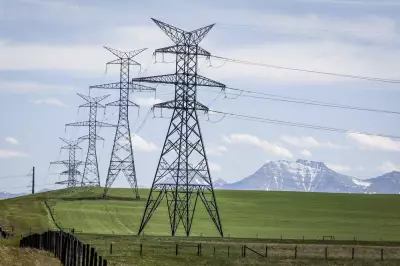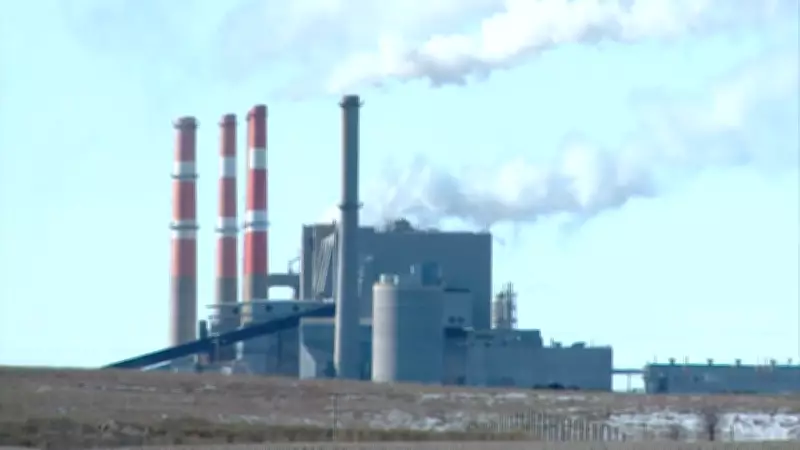
Canada's newly released national electricity strategy mentions coal just once, even as Saskatchewan aggressively pursues the revival of coal-fired power generation. The debate over the province's coal refurbishment reached a fever pitch as the spring sitting of the legislature came to an end.
Coal's Place in the Strategy
The federal document, which outlines a vision for a net-zero electricity grid by 2035, references coal only in passing, acknowledging its current role in some provinces but emphasizing a rapid transition to cleaner sources. This comes as Saskatchewan's government pushes forward with plans to refurbish coal plants, arguing that the technology is necessary for grid reliability and economic stability.
Provincial Pushback
Premier Scott Moe has been vocal in opposing federal climate mandates, insisting that coal remains a cost-effective and reliable energy source for the province. The provincial utility, SaskPower, is exploring carbon capture and storage (CCS) technology to extend the life of coal units while reducing emissions. Critics, however, argue that CCS is unproven at scale and that the province should invest more aggressively in renewables like wind and solar.

Legislative Tensions
The spring sitting of the Saskatchewan legislature saw heated exchanges between government and opposition members over the coal file. Opposition NDP leader Carla Beck accused the governing Saskatchewan Party of jeopardizing federal funding and ignoring climate change realities. In response, Energy Minister Dustin Duncan defended the coal strategy, stating that the province must balance environmental goals with economic realities.
National Context
The federal electricity strategy, released by Environment Minister Steven Guilbeault, aims to align provincial grids with Canada's 2035 net-zero target. It emphasizes investments in interprovincial transmission, energy storage, and demand-side management. While it does not outright ban coal, the strategy's lack of support for coal-fired generation signals a clear policy direction. Saskatchewan remains one of the few provinces still reliant on coal, alongside Alberta and Nova Scotia.
What's Next
As the legislative session concludes, both sides are digging in. The federal government has hinted at potential regulatory measures if provinces fail to meet emissions targets, while Saskatchewan is exploring legal challenges to federal overreach. The coming months will be critical as the province finalizes its own electricity roadmap and negotiates with Ottawa on funding for clean energy transitions.