Legal Challenges Mount Against Amazon Dam, Casting Doubt on Brazil's Hydropower Strategy
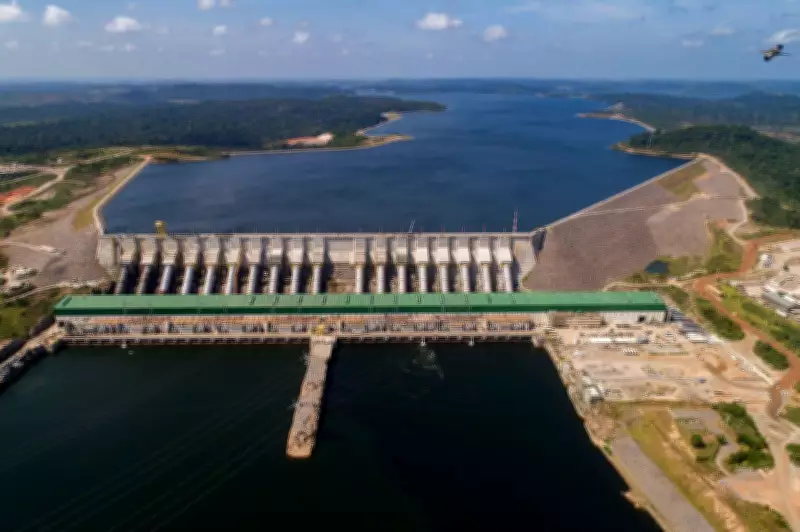
In a significant development for energy and environmental policy, legal setbacks against a major hydroelectric dam in the Amazon rainforest are prompting critical questions about Brazil's longstanding reliance on hydropower. The Belo Monte dam, situated on the Xingu River in Altamira, Para state, has faced renewed judicial scrutiny, underscoring the complex trade-offs between energy production and ecological preservation.
The Belo Monte Dam: A Controversial Powerhouse
The Belo Monte hydroelectric complex, one of the largest in Brazil, has been a focal point of controversy since its inception. Completed in recent years, it was designed to bolster the nation's electricity grid, but has drawn intense criticism from indigenous communities, environmental activists, and legal experts. Recent court rulings have challenged aspects of its operation and licensing, citing violations of environmental regulations and indigenous rights. These legal hurdles not only threaten the dam's future but also signal a broader reassessment of hydropower's role in Brazil's energy mix.
Implications for Brazil's Energy Future
Brazil has historically depended on hydropower for a substantial portion of its electricity, with dams accounting for over 60% of the country's generation capacity. However, the legal issues surrounding Belo Monte highlight the risks of this dependency. Environmental concerns, such as deforestation, biodiversity loss, and disruption to river ecosystems, are increasingly factoring into policy decisions. Additionally, social impacts, including displacement of local populations and conflicts with indigenous groups, have fueled public and legal opposition. As climate change exacerbates droughts, reducing water availability for dams, the reliability of hydropower is further called into question.

Global Context and Alternatives
This situation mirrors global debates over large-scale infrastructure projects in sensitive ecosystems. Countries worldwide are grappling with balancing energy needs against environmental stewardship. For Brazil, the legal setbacks may accelerate a shift toward diversified renewable sources, such as solar, wind, and biomass. Experts suggest that investing in these alternatives could enhance energy security while mitigating ecological damage. The outcome of the Belo Monte case could set a precedent for future projects, influencing not only Brazil's energy policy but also international approaches to sustainable development.
In summary, the legal challenges against the Belo Monte dam serve as a critical juncture for Brazil. They force a reevaluation of hydropower's viability in the face of mounting environmental and social pressures. As the nation navigates these issues, the decisions made today will shape its energy landscape for decades to come, with potential lessons for other regions reliant on similar infrastructure.