For the past year, the phrase "economic diversification" has been on everyone's lips as threats from the United States, global political and economic instability, and climate volatility have escalated exponentially. Yet, it is perplexing that British Columbia appears to be quietly shelving the very plan that holds the most promise for achieving this goal: CleanBC. There has been no formal response to the independent CleanBC review report, no meaningful climate measures in the 2026 budget, and the Climate Action Secretariat has been dissolved.
CleanBC: A Once-Shining Example
CleanBC was once hailed as a model for provincial climate and economic planning. It provided a roadmap to 2030 targeting emissions reductions across sectors while fostering local economic opportunities, skills development, and innovation, all while seeking ways to make life more affordable. Last year, the province commissioned an independent review of CleanBC, which produced 80 actionable recommendations designed to build on its successes and maintain momentum. However, the government has yet to respond, leaving many to wonder whether ambition will prevail and whether B.C. will remain "climate competitive" among global leaders in the clean energy economy.
The Need for Clean Energy in a Volatile World
The ongoing U.S.-Israel war against Iran has further destabilized oil and gas markets, underscoring the urgency of transitioning away from risky, expensive, and volatile imported fuels. Clean electricity, produced and used domestically, represents one of the greatest opportunities for long-term economic stability and household affordability. By generating, transmitting, and utilizing clean electricity within the province, B.C. can shield itself and its residents from fluctuating supplies and prices.

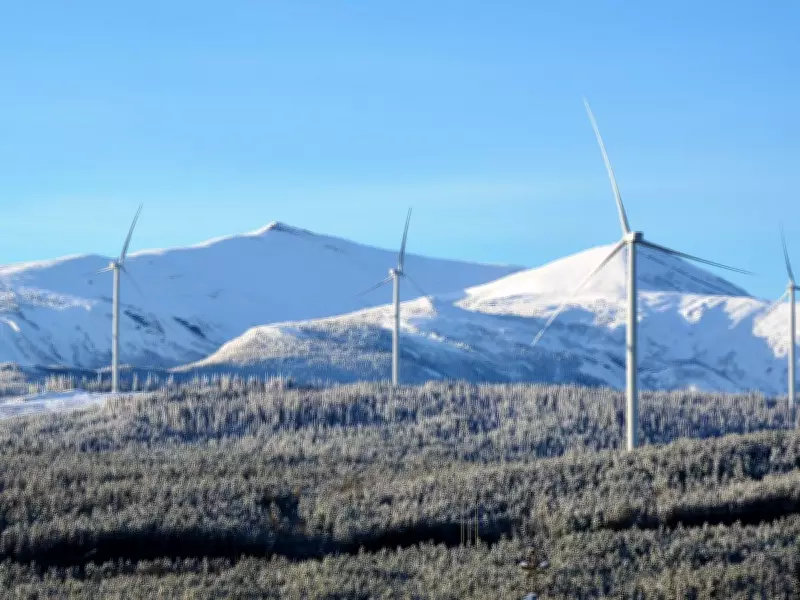
CleanBC identifies cost-effective and rapidly deployable renewable energy sources, such as wind, as critical to expanding B.C.'s electricity supply and meeting net-zero goals. However, without a formal response to the review or concrete action, these opportunities remain untapped.
Measuring Success Beyond Emissions Reductions
If CleanBC is viewed solely as a plan to reduce emissions, and one notes that it has not yet reached those targets, then the measure of success is incomplete. The plan has already helped grow companies, sectors, and opportunities to compete in the largest investment sector in the global economy: decarbonization and clean technology. Moreover, it has improved community and household well-being by cooling more homes, making buildings more resilient to floods, fires, and smoke, improving local air quality through electric vehicle adoption, and reducing household energy bills through efficiency measures.
For example, more efficient home heating and cooling, combined with the transition to an electric vehicle, can save the average British Columbian household between $500 and $1,000 per month. These tangible benefits demonstrate that CleanBC's value extends far beyond emissions targets.
Building a Climate-Competitive Economy
CleanBC was helping make B.C. what the federal government has termed "climate competitive." The province was poised to lead in national and global economies as investors increasingly sought opportunities in decarbonization and clean-tech manufacturing and commercialization. Leadership on methane emission reduction and industrial carbon pricing set the private sector up for long-term success and economic competitiveness.
If B.C. wants to build a resilient economy while reducing emissions, the tools provided by CleanBC are essential. The question remains: will the province take them off the shelf and put them to work?