Canadian opioid-related deaths dropped 17% in 2024 to 7,146, undercutting U.S. assertions that fentanyl trafficking is shifting northward. Public health experts argue that the decline reflects changes in supply and harm reduction measures, not border enforcement.
U.S. claims of northern border fentanyl surge disputed
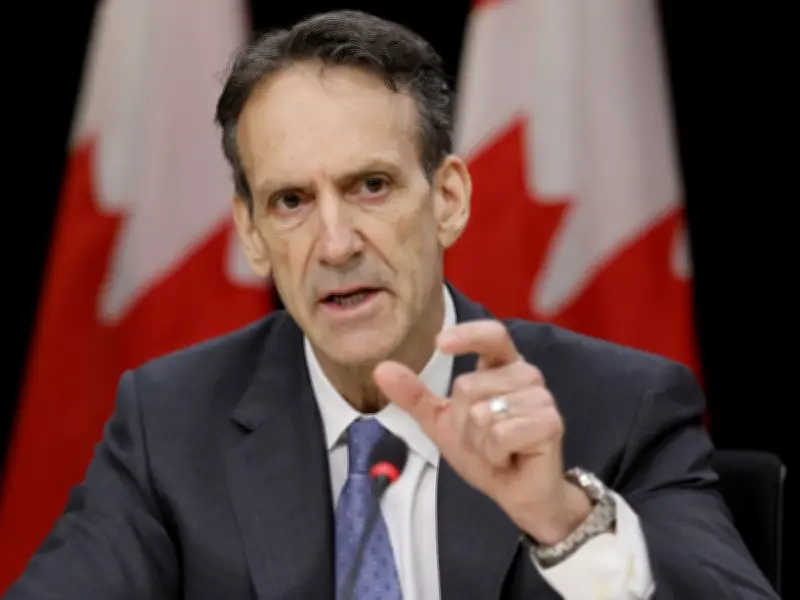
U.S. Secretary of Homeland Security Markwayne Mullin recently stated that pressure on the southern border is pushing cartel activity north, including toward Canada. He cited fentanyl seizures at the northern border sufficient to kill 17 million Americans. However, Canadian fentanyl czar Kevin Brosseau countered that U.S. Customs and Border Protection data show only about 3 kilograms of fentanyl seized at the northern border since October 2025, compared with more than 3,000 kilograms at the southern border.
Regina LaBelle, professor of addiction policy at Georgetown University, called the border focus a “facile response.” She said, “Blowing up drug boats … is a perfect example of a facile response that does absolutely nothing.” LaBelle emphasized that fentanyl trafficking involves transnational criminal operations and cannot be reduced to a border issue.

Epidemiologists skeptical of northward shift
Mark Tyndall, a public health scientist at the University of British Columbia, dismissed the idea of a significant northward shift. “I mean, it just really isn’t happening,” he said. “It’s way too much trouble to ship (fentanyl) around and put it through Canada and then take it into the United States.”
The decline in Canadian overdose deaths—from 8,602 in 2023 to 7,146 in 2024—suggests that domestic factors such as safer supply programs and increased naloxone distribution are having an impact. In hard-hit British Columbia, one in five Canadians reported knowing someone who died from an overdose in 2023.
Political rhetoric vs. public health reality
Nearly half of Americans—42% in 2024—know someone who died from an overdose, most linked to synthetic opioids. LaBelle warned that political rhetoric often leads to ineffective measures. “There’s a lot of frustration, and it, in and of itself, lends itself to facile responses that look good, but in the end don’t really do anything,” she said.
Brosseau noted that seizure data are an imperfect measure, but LaBelle added that determining trafficking route changes requires classified intelligence, not just CBP figures. The debate highlights tensions between border security narratives and evidence-based public health approaches.